What Is Contemporary Interior Design? A Complete Beginner’s Guide

Quick Answer:
Contemporary interior design is the style of the present moment: clean lines, open uncluttered space, a calm neutral base and a few bold or sculptural pieces. In 2026 it looks warmer than before, with earthy tones like terracotta, beige and sage, curved furniture and natural textures such as wood, linen and stone.
We get this question a lot from readers who are about to repaint a room or buy a new sofa. They like the “clean but cosy” look they see online, but they are not sure what to call it or how to copy it on a normal budget.
In this guide, we explain what contemporary design means today, how it differs from modern design, and how we put the look together in real rooms without hiring a designer.

What Are the Key Features of Contemporary Interior Design?
Contemporary design is not tied to one period. It borrows from what feels current, so its details shift every few years. Even so, a few features stay the same.
- Clean lines: Simple shapes and very little ornament. Furniture looks light, not heavy or carved.
- A neutral base: Walls, floors and big furniture stay calm. Color comes from smaller pieces.
- Open, uncluttered space: Fewer items on display, with clear walking paths and room to breathe.
- One or two statement pieces: A sculptural lamp, a curved sofa, a large artwork or a bold rug.
- Layered lighting: Ceiling light plus floor lamps, table lamps and sometimes LED strips.
- Texture over pattern: Boucle, linen, wool, wood grain and matte stone add interest without busy prints.
How Has Contemporary Design Changed From the 2010s to 2026?
If you search for contemporary rooms from ten years ago, you will see a lot of glossy white kitchens, black-and-white color schemes and grey everywhere. Those rooms looked sharp in photos, but many of our readers told us they felt cold to live in.
Today’s version keeps the clean structure but softens everything else. Design writers covering 2026 report that ultra-sterile, all-white interiors are fading and warm, earthy palettes are taking their place.
What does 2010s contemporary look like compared with today?
- Colors: Then it was stark white, cool grey and black. Now it is warm white, beige, sand, terracotta, clay, caramel and sage green.
- Shapes: Then it was sharp corners and boxy sofas. Now it is rounded sofas, arched mirrors, oval coffee tables and soft edges.
- Finishes: Then it was high-gloss cabinets, chrome and glass. Now it is matte paint, limewash, light oak, rattan, linen and stone.
- Mood: Then it was a showroom feel. Now it is calm and lived-in, sometimes called “warm minimalism”.
In short, the bones are still simple, but the room now feels like a home rather than a gallery.

What Is the Difference Between Modern and Contemporary Design?
People use these two words as if they mean the same thing. They don’t. Modern is a fixed historical style, while contemporary means “of now” and keeps changing.
As MasterClass puts it, modern design belongs to a specific historical moment, while contemporary follows current styles. Here is a simple side-by-side.
| Feature | Contemporary | Modern |
|---|---|---|
| Time period | Whatever is current; always changing | Fixed: roughly early 1900s to the 1970s |
| Colors | Warm neutrals with earthy accents (2026) | Earth tones, wood browns, mustard, teal, olive |
| Shapes | Mix of straight lines and soft curves | Geometric, tapered legs, low and horizontal |
| Materials | Oak, linen, boucle, limewash, matte metal, stone | Teak, walnut, molded plastic, leather, steel |
| Furniture | Rounded sofas, sculptural lamps, modular seating | Iconic mid-century chairs and sideboards |
| Feel | Calm, cosy and current | Functional, retro and structured |
A contemporary room can include a modern piece, such as one mid-century chair. That mix is normal and often looks great.
How Do I Start a Contemporary Room? (5-Step Beginner Roadmap)
This is the order we follow when we restyle a room at home. Each step builds on the last, so try not to skip ahead to shopping.
Step 1: Declutter before you decorate
Contemporary rooms rely on empty space. Clear every surface, then put back only what you use or truly love. In our living room test, removing about a third of the small items made the room look bigger before we bought anything.
Step 2: Use the 60-30-10 color rule with warm neutrals
Pick one main neutral for about 60% of the room (walls, big rug), a secondary tone for 30% (sofa, curtains), and an accent for 10% (cushions, vase, art). This keeps the room calm but not flat.
Step 3: Choose one statement piece
One curved sofa, a big round mirror, a sculptural floor lamp or an oversized artwork is enough. Two statement pieces fight each other in a small room.
Step 4: Layer your lighting
Use three levels: an overhead light, a floor or table lamp, and a small accent light. Warm white bulbs around 2700K feel softer than the cool white used in many 2010s rooms.
Step 5: Add texture, not clutter
Mix three or four textures: a wool or jute rug, linen curtains, a boucle cushion, a wooden tray and a ceramic vase. Texture makes a plain room feel finished.
Copy-Paste Beginner Room Checklist (60-30-10 Formula)
CONTEMPORARY ROOM CHECKLIST
[ ] 1. Declutter: clear surfaces, keep only used or loved items
[ ] 2. Color plan (60-30-10):
       60% main neutral  - warm white / beige / sand (walls, big rug)
       30% secondary     - greige / oatmeal / light oak (sofa, curtains)
       10% accent        - terracotta / sage / caramel / black (cushions, art)
[ ] 3. One statement piece: curved sofa, round mirror, sculptural lamp or big art
[ ] 4. Lighting: ceiling + floor/table lamp + accent light, warm white bulbs (~2700K)
[ ] 5. Texture: rug + linen curtains + one soft fabric + wood + ceramic or stone
[ ] 6. Hidden storage: lidded baskets, closed cabinets, under-bed boxes
[ ] 7. Greenery: one or two real or good-quality faux plants
[ ] 8. Final check: clear walking paths, nothing matching as a full set
Want to test colors and layouts before buying? Try our free Room Decorator tool to plan the room on screen first.
How Do I Style Each Room the Contemporary Way?
How do I make a contemporary living room?
Start with a neutral sofa in a durable fabric and a large rug that sits under at least the front legs of the seating. Add a round or oval coffee table to soften the straight lines.
A big mirror opposite or beside a window brightens the whole space. We tested this in our own home, and our guide on where to hang an oversized mirror to double natural light shows the best spots.
How do I make a contemporary bedroom?
Keep the bed as the focus with a simple upholstered or wooden headboard. Use layered bedding in two or three tones, such as white, oatmeal and clay.
Swap a busy nightstand for a small closed cabinet, and add a wall-mounted or plug-in reading light. For more ideas, see our bedroom decorating ideas.

How do I make a contemporary kitchen?
Clear the counters first; that single change does the most. Keep out only the kettle or coffee maker you use daily.
Swap old knobs for matte black or brushed brass handles, add a wooden board and a ceramic utensil jar, and fit plug-in LED strips under the cabinets. If the cabinets are dated, matte paint in warm white or sage is cheaper than replacing them.

How Can I Get a Contemporary Look on a Small Budget or in a Rental?
You don’t need marble counters or a designer sofa. Most of the look comes from color, light and fewer items. These are the swaps we use most.
- Change textiles first: New cushion covers, a neutral throw and linen-look curtains change a room for very little money.
- Use slipcovers: A beige or oatmeal slipcover hides an old patterned sofa.
- Lean, don’t hang: A large mirror or artwork leaning on the floor or a console needs no drilling.
- Plug-in lighting: Plug-in wall sconces and floor lamps add layered light without an electrician.
- Cover ugly floors or tiles: Rugs, peel-and-stick vinyl and removable decals hide dated surfaces. Our guide on the best renter-friendly ways to cover ugly apartment tiles compares the options.
- Shop second-hand: Solid wooden tables and chairs from second-hand shops look great with a light sand and a matte finish.
- Add plants: One large plant does more than five small ones.
If you own your home and plan bigger changes, check typical prices first in our home improvement costs guide so you spend on what matters most.

What Are the Most Common Contemporary Design Mistakes?
Most beginner rooms go wrong in the same few ways. The biggest one is a room that feels cold, like a clinic waiting area.
| Common Mistake | Why It Fails | The Right Approach |
|---|---|---|
| All-white walls, floors and furniture | Feels cold and hospital-like | Use warm white or beige plus wood and one earthy accent |
| Buying a full matching furniture set | Looks like a showroom, not a home | Mix pieces in related tones and different materials |
| Only one bright ceiling light | Flat, harsh light with dark corners | Layer ceiling, lamp and accent lights with warm bulbs |
| Too many small decor items | Looks cluttered, not clean | Fewer, larger pieces grouped in odd numbers |
| Small rug floating in the middle | Makes the room look smaller | Choose a rug big enough to sit under front furniture legs |
| Glossy surfaces everywhere | Shows fingerprints and looks dated | Matte paint, natural wood and textured fabrics |
How do I stop a contemporary room from feeling cold?
Add at least one natural material (wood, rattan or stone), one soft fabric, and warm white bulbs. A plant and a piece of personal art finish the job.
Why should I avoid matching furniture sets?
Matching sets remove contrast, and contrast is what makes a simple room interesting. Pair a fabric sofa with a wooden or leather chair, and a stone or wood coffee table, so each piece stands on its own.
Can a Contemporary Home Work With Kids and Pets?
Yes. Light colors scare a lot of parents, but the right materials make contemporary rooms easy to live with. These habits work in our home.
- Washable performance fabrics: Choose sofas with removable, machine-washable covers or stain-resistant fabric.
- Mid-tones over pure white: Oatmeal, greige and sand hide everyday marks far better than bright white.
- Hidden storage: Lidded baskets, storage ottomans and closed cabinets keep toys and pet items out of sight in minutes.
- Rounded furniture: Curved coffee tables are on trend and safer for small children.
- Flat-weave or washable rugs: Easier to clean than deep shag and less likely to trap pet hair.
- Wipeable paint: Satin or scrubbable matte finishes in hallways and kids’ rooms.
Five minutes of tidying each evening keeps the clean look going. Contemporary design depends on clear surfaces, so a quick reset matters more than deep cleaning.
Frequently Asked Questions
What is contemporary interior design in simple words?
Contemporary interior design is the style of right now. It uses clean lines, open space and a calm neutral base, and in 2026 it adds warm earthy colors, soft curves and natural textures.
Is contemporary design the same as modern design?
No. Modern design is a fixed style from roughly the early 1900s to the 1970s. Contemporary design follows what is current, so it keeps changing over time.
Can I get a contemporary look in a rented apartment?
Yes. Use removable items: plug-in lights, rugs, curtains, peel-and-stick covers, slipcovers, a large leaning mirror and plants. None of these need drilling or permission from the landlord.
What colors are used in contemporary interior design in 2026?
The base is warm white, beige, greige or sand. Accents are earthy tones such as terracotta, clay, caramel, sage and olive, with black used in small amounts for contrast.
Final Thoughts
Contemporary interior design is simpler than it looks: clear the room, keep a warm neutral base, choose one statement piece, layer the lighting and add texture. You can do all of it in a rented flat and on a small budget.
Start with one room this weekend. Once you see the difference, the rest of the home is much easier.
Written by Muhammad Amjad Butt, founder of HomeKiTips. We test simple, low-cost decor and home care ideas in real homes before we share them.

Muhammad Amjad Butt
Founder of HomeKiTips
Muhammad Amjad Butt is the founder of HomeKiTips. He writes practical guides on home repair, maintenance, cleaning and decor. Each guide is built from manufacturer instructions, building standards and current cost data, then turned into clear steps that anyone can follow. For structural work, he always recommends a qualified tradesperson.
You may also like
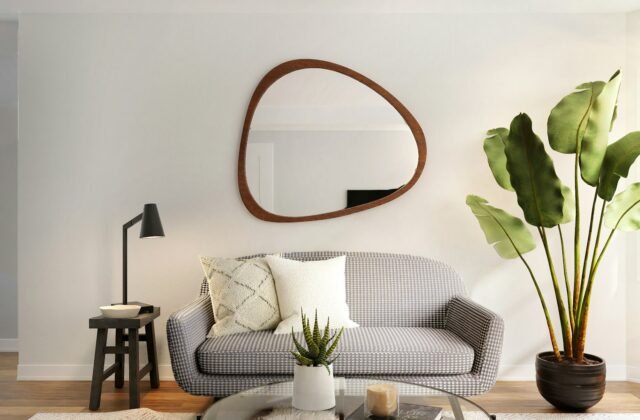
Where to Hang an Oversized Mirror to Double Natural Light in Living Room
Where to hang an oversized mirror to double natural light in a living room: best wall, exact height and size…

Mom Home: Room-by-Room Plan for a Calmer Family House
Build a mom home that lightens the load: a room-by-room plan, drop zone, laundry system, kid-friendly storage, and a 15-minute…

Home Business Magazine: What It Covers & How to Read It
Home Business Magazine guide: what it covers, who it's for, how to read it free via Libby or its site,…