How to Clean a Washing Machine
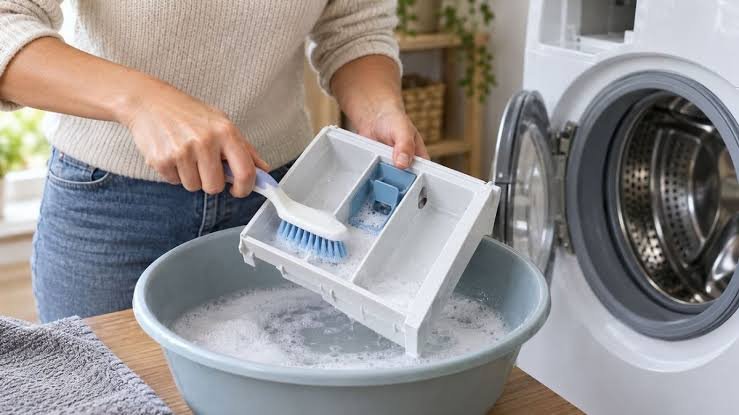
To clean a washing machine, wipe the rubber door seal and scrub the detergent drawer, then run an empty Tub Clean (or hottest, longest) cycle with a washer cleaner tablet or liquid chlorine bleach if your manual allows it. Finish by cleaning the drain filter and leaving the door open to dry. Do a full deep clean about once a month, or every 30 washes.
You wash your clothes, but they come out smelling like a damp basement. Your towels feel stiff. There is a grey, slimy film in the detergent drawer you’d rather not look at. Here is the uncomfortable truth: the machine that cleans everything else in your home is often one of the dirtiest appliances you own — and it is quietly passing that dirt back to your laundry.
In this article
- Why Do Washing Machines Get Dirty and Smelly?
- What Are the Signs Your Washer Needs Cleaning?
- How Often Should You Clean a Washing Machine?
- What Should You Use to Clean a Washing Machine?
- How to Clean a Front-Load Washing Machine
- How to Clean a Top-Load Washing Machine
- How to Clean the Drain Pump Filter
- How to Keep Your Washer Fresh Between Cleans
- Frequently Asked Questions
- Start Cleaning Your Washer Today
Knowing how to clean a washing machine properly takes less than an hour a month, and it fixes most laundry smells, extends the life of your appliance, and keeps your clothes truly clean. This guide covers both front-load and top-load machines, explains what is safe to use (and what can damage your washer), and gives you a simple schedule so the job never piles up again.
Why Do Washing Machines Get Dirty and Smelly?
A washing machine is warm, wet and full of food for microbes: body oils, skin cells, lint, and leftover detergent and fabric softener. Modern habits make it worse. Low-temperature eco cycles, liquid detergents and smaller amounts of water save energy, but they also leave more residue behind for bacteria and mold to feed on.
Scientists have studied this closely. A 2025 study in Frontiers in Microbiology swabbed 10 household washers and found that the door seals and detergent drawers of front-loading machines had the highest bacterial levels of all the spots tested. Earlier research also found a diverse mix of bacteria and fungi in detergent drawers and rubber door seals — exactly the places most people never clean.
These microbes form a sticky layer called biofilm. Think of biofilm as a slimy “city” that bacteria build to protect themselves. Ordinary washing doesn’t fully remove it, and over time it causes that familiar musty smell, black spots on the seal, and even grey marks on clothes.
Detergent cleans your clothes. It does not clean your washing machine.
What Are the Signs Your Washer Needs Cleaning?
If you notice any of these, it is time for a deep clean:
- Musty or sour smell from freshly washed towels and clothes.
- Black or brown spots in the folds of the rubber door seal (mold).
- Grey slime or crusty build-up in the detergent drawer.
- Water left standing at the bottom of the drum after a cycle.
- Lint, hair or white specks stuck to “clean” clothes.
- Slow draining or a drain error code on the display.
Example from everyday life: A family of five noticed their gym clothes still smelled after every wash, so they kept adding more detergent and fabric softener. The smell got worse. The real problem was a thick layer of softener residue under the detergent drawer and a clogged drain filter. One deep clean — and using less detergent — solved it in a single afternoon.
How Often Should You Clean a Washing Machine?
Most major brands, including Whirlpool and Samsung, recommend a full tub clean about once a month. Washer-cleaner brand Affresh puts it at once a month or roughly every 30 wash cycles — which a busy family may reach in two or three weeks. Here is a simple schedule for each part:
| Part | How often |
|---|---|
| Door seal (gasket) | Wipe and dry weekly |
| Detergent drawer | Rinse weekly, soak and scrub monthly |
| Drum / Tub Clean cycle | Monthly, or every ~30 washes |
| Drain pump filter | Every 1–3 months |
| Inlet hose screens | Check once a year |
Clean more often if you have a large household, hard water, pets, or you wash cloth diapers, sports kits or work clothes. Front-loaders usually need more attention than top-loaders, because their airtight door traps moisture.
💡 Key insight: The smell rarely comes from the drum you can see. It usually comes from three hidden spots — under the door seal folds, behind the detergent drawer, and in the drain filter. Clean those three and most odor problems disappear.
What Should You Use to Clean a Washing Machine?
Which cleaners are safe for a washing machine?
- Washing machine cleaner tablets or powders — made for the job and recommended by many manufacturers.
- Liquid chlorine bleach — Samsung and Whirlpool both list it for their clean cycles, but only use it if your manual allows it, and never with other cleaners.
- Baking soda and warm water — a gentle paste for scrubbing the drawer and drum.
- Mild dish soap — safe for wiping the rubber door seal.
- Microfiber cloths and an old toothbrush — for tight corners and seal folds.
Is it safe to clean a washing machine with vinegar?
This is the most common myth in washer cleaning. Vinegar is popular in DIY guides, but several manufacturers now warn against it. Whirlpool explains that vinegar’s acidity can weaken rubber seals and hoses over time, and Bosch advises against using it to descale its machines. An occasional splash may not ruin your washer, but regular vinegar cycles can lead to cracked seals and leaks — a repair that costs far more than a box of washer cleaner.
⚠️ Safety warning: Never mix bleach with vinegar or ammonia. The combination releases toxic gases. Use one cleaner per cycle, and run an extra rinse before switching products.
How to Clean a Front-Load Washing Machine
Set aside about 15 minutes of hands-on work plus the length of the cleaning cycle (often 1–2 hours).
Step 1: How do you clean the rubber door seal?
Pull back the rubber gasket gently and look inside the folds. You will often find hair, coins, lint and black mold. Wipe the folds with warm water and a few drops of dish soap, using an old toothbrush for stubborn spots. For mold, use a diluted bleach solution only if your manual allows it, then wipe with clean water and dry completely.
Step 2: How do you clean the detergent drawer?
Most drawers pull out completely — look for a small release tab. Soak the drawer in hot, soapy water for 15–20 minutes, then scrub with a toothbrush. Don’t forget the cavity the drawer slides into: shine a torch inside and scrub the roof, where mold often hides.
Step 3: How do you run a tub clean cycle?
Make sure the drum is completely empty. Add a washer cleaner tablet to the drum (or bleach to the bleach dispenser, if approved) and select Tub Clean, Self Clean, Drum Clean or Pure Cycle. If your machine has no cleaning cycle, use the hottest, longest cycle with the highest water level. Run an extra rinse afterward.
Step 4: Should you clean the drain filter now?
Yes — the front loader’s drain pump filter catches lint, hair and small objects. See the full method in the drain filter section below.
Step 5: How do you finish the job?
Wipe the door glass, the control panel and the outside of the machine with a damp microfiber cloth. Then leave the door and the detergent drawer slightly open so everything dries out.
How to Clean a Top-Load Washing Machine
- Fill the tub. Choose the highest water level and hottest setting, and let the machine fill.
- Add the cleaner. Add a washer cleaner (or liquid chlorine bleach, if your manual allows it) and let the machine agitate for about a minute to mix.
- Let it soak. Pause the cycle and let it soak for 20–30 minutes to loosen build-up on the tub walls.
- Finish the cycle. Resume and complete the cycle, then run one more rinse-and-spin.
- Scrub what the water missed. Wipe the rim of the tub, the underside of the lid, and the fabric softener and bleach dispensers. Pull out the agitator cap if it lifts off, and clean underneath.
- Check the lint filter. Many top-loaders have a removable lint trap near the top of the tub or on the agitator — rinse it under the tap.
Example from everyday life: One renter thought her old top-loader was “just smelly with age.” After a soak cycle with washer cleaner, she wiped the underside of the lid and found a thick ring of grey residue. Ten minutes of scrubbing — and the smell that had lasted months was gone.
How to Clean the Drain Pump Filter
This is the step most people skip — and the one that fixes many slow-drain and smell problems. Brands such as LG and Samsung suggest checking it roughly every one to three months.
- Unplug the machine and wait for any hot water to cool.
- Find the small hatch at the bottom front corner of your front-loader.
- Place an old towel and a shallow baking tray underneath — there will be water.
- If there is a small drain hose, pull it out and empty it into the tray first.
- Slowly unscrew the filter counter-clockwise. Remove lint, hair, coins and hair clips.
- Rinse the filter under the tap, screw it back in firmly, and run a short rinse to check for leaks.
✅ Quick win this week: Pull back your door seal right now and look inside the bottom fold. If you see lint or black spots, wipe it clean and dry it — that one 5-minute job removes one of the biggest sources of washer smell.
If you live in a hard water area, white scale can also build up on the drum and heating element. Many of the same tips that work for removing hard water stains from bathroom tiles and glass will help you understand how mineral build-up forms.
How to Keep Your Washer Fresh Between Cleans
- Leave the door and drawer open after every wash so moisture can escape.
- Remove wet laundry quickly — damp clothes left in the drum for hours breed smell.
- Use less detergent. High-efficiency machines need only a small amount; too much leaves residue that feeds bacteria.
- Go easy on fabric softener, which is one of the biggest causes of slimy build-up.
- Run a hot wash once a week (for towels or bedding) to help limit build-up.
- Wipe the door seal dry at the end of each laundry day.
A clean washer makes the rest of your cleaning routine work better too — fresh-smelling cloths, towels and bedding make jobs like cleaning a mattress at home or following a kitchen deep cleaning checklist far more pleasant.
Frequently Asked Questions
Can I clean my washing machine with baking soda?
Yes. Baking soda is safe and works well as a gentle scrub for the drawer, drum and seal. For a full deep clean, a washer cleaner or (if approved by your manual) bleach is more effective against biofilm.
Why does my washing machine smell like rotten eggs?
This usually comes from bacteria in old detergent residue, a clogged drain filter, or standing water in the drain hose. Clean the filter, run a tub clean cycle and check that the drain hose is not kinked.
Can I run a cleaning cycle with clothes inside?
No. Always run the cleaning cycle with an empty drum. Strong cleaners and very hot water can damage fabrics.
How do I get black mold off the washing machine seal?
Wipe the seal with warm soapy water first, then treat stubborn spots with a diluted bleach solution if your manual allows it. Dry the seal completely. Deep stains that won’t come out may mean the seal needs replacing.
Do top-load washers need cleaning as often as front-loaders?
Usually a little less, because the open lid lets moisture escape. Monthly is still a good target if you do laundry several times a week.
Is vinegar or bleach better for cleaning a washing machine?
Many manufacturers prefer a washer cleaner or liquid chlorine bleach over vinegar, because vinegar can damage rubber seals and hoses with regular use. Always follow your own manual — and never mix the two.
Start Cleaning Your Washer Today
Learning how to clean a washing machine is one of the easiest ways to get fresher laundry without spending more on detergent. Use this action list:
- Check your manual for the right cleaning cycle and approved cleaners.
- Pull back the door seal and wipe out lint, hair and mold.
- Remove, soak and scrub the detergent drawer and its cavity.
- Run an empty Tub Clean or hottest, longest cycle with a washer cleaner.
- Run one extra rinse cycle.
- Clean the drain pump filter (front-loaders) or lint trap (top-loaders).
- Wipe the door glass, lid, controls and outside of the machine.
- Leave the door and drawer open to dry.
- Cut back on detergent and fabric softener.
- Set a monthly phone reminder for your next deep clean.
Your laundry can only be as clean as the machine that washes it. Block out one hour this weekend — start this week.

Muhammad Amjad Butt
Founder of HomeKiTips
Muhammad Amjad Butt is the founder of HomeKiTips. He writes practical guides on home repair, maintenance, cleaning and decor. Each guide is built from manufacturer instructions, building standards and current cost data, then turned into clear steps that anyone can follow. For structural work, he always recommends a qualified tradesperson.
You may also like
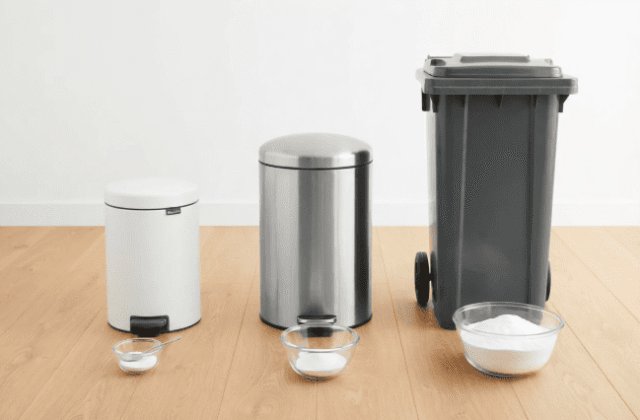
How Much Baking Soda for Trash Can Odor Should You Use?
Use 2 tbsp for small bins, ½ cup for kitchen bins, and 1–1½ cups for outdoor bins. Get exact baking…
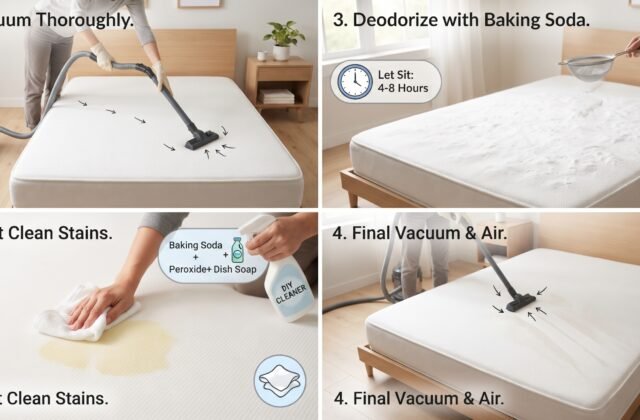
How to Clean a Mattress at Home
Learn how to clean a mattress at home in 6 steps: vacuum, treat stains, deodorise with baking soda and keep…
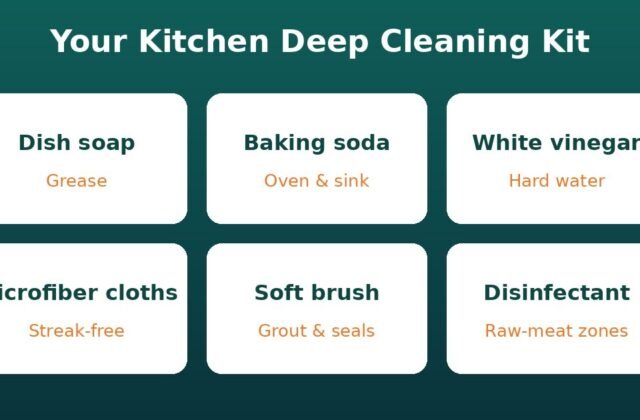
Kitchen Deep Cleaning Checklist: Fridge to Sink (Step by Step)
Deep clean your kitchen in 3–4 hours with this step-by-step checklist. Covers the fridge, oven, sink and floors, plus a…