How to Clean a Mattress at Home
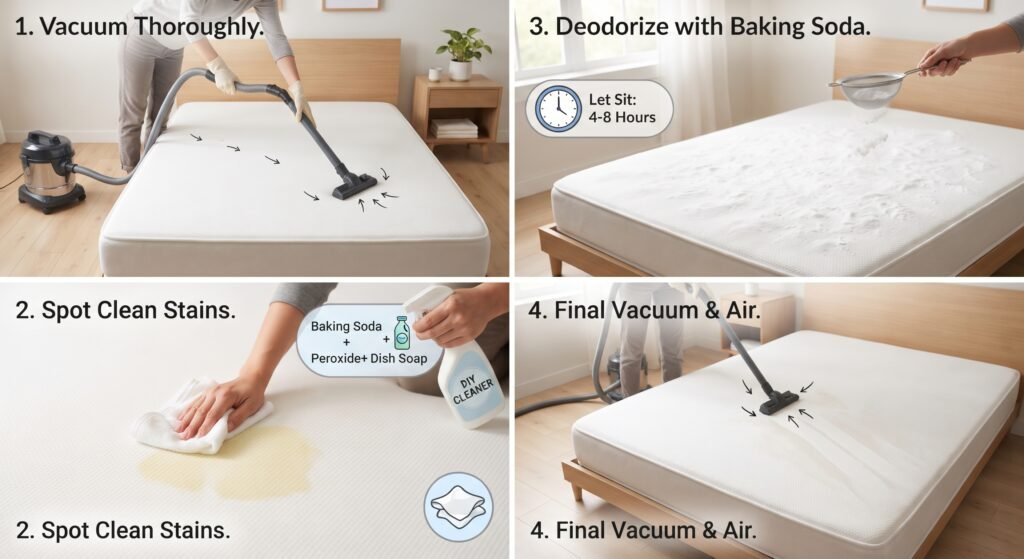
To clean a mattress at home, strip and hot-wash the bedding, vacuum the mattress top, sides and seams, blot stains with a mild cleaner, then sprinkle baking soda and leave it for 1 to 8 hours before vacuuming again. Finish by flipping or rotating the mattress and covering it with a washable, zippered protector. Deep clean every 6 months.
In this article
- Why Your Mattress Needs Cleaning
- How Often Should You Clean a Mattress?
- What Do You Need to Clean a Mattress?
- How to Clean a Mattress Step by Step
- How to Remove Stains From a Mattress
- How to Get Rid of Mattress Odours
- How to Reduce Dust Mites in Your Bed
- Cleaning Tips by Mattress Type
- Mattress Cleaning Mistakes to Avoid
- FAQs About Cleaning a Mattress
- Start Your Mattress Refresh Now
You wash your sheets every week, so your bed must be clean, right? Not quite. Under those fresh sheets, your mattress has been quietly collecting sweat, skin flakes, dust and the odd spilled cup of tea for years. Ayesha only noticed when she changed her sheets on a sunny morning and saw a map of yellow patches across her once-white mattress. She was sure it was ruined. One afternoon, a box of baking soda and a vacuum cleaner later, it looked and smelled almost new.
Knowing how to clean a mattress is one of the easiest ways to sleep better, breathe easier and make an expensive mattress last longer. You do not need a steam machine or a professional service. This guide walks you through a simple step-by-step method, how to remove common stains, how to fix bad smells and how to keep dust mites under control.
Why Your Mattress Needs Cleaning
We spend about one-third of our lives in bed. Every night the body releases sweat and sheds tiny flakes of skin, and much of it ends up in the mattress. Over months and years this creates:
- Yellow sweat stains and body oil marks
- Musty or sour smells, especially in humid climates
- Dust mites, tiny creatures that feed on skin flakes and are a common allergy and asthma trigger
- Dust and allergens that rise into the air every time you move
The U.S. Environmental Protection Agency lists dust mites among the main indoor asthma triggers and recommends covering mattresses and pillows with dust-proof zippered covers and washing bedding weekly in hot water. You can read its advice on the EPA Asthma Triggers page.
Clean sheets on a dirty mattress is only half a clean bed.
How Often Should You Clean a Mattress?
Here is a simple schedule that works for most homes:
| How often | Task |
|---|---|
| Weekly | Wash sheets and pillowcases in hot water |
| Every 1 to 2 months | Wash the mattress protector |
| Monthly | Vacuum the mattress top, sides and seams |
| Every 3 months | Rotate the mattress head to foot (flip it too if it is double-sided) |
| Every 6 months | Full deep clean with baking soda and stain treatment |
| Right away | Blot spills, accidents and stains as soon as they happen |
Clean more often if you have allergies or asthma, sleep with pets, sweat heavily at night, or have young children who sometimes wet the bed.
What Do You Need to Clean a Mattress?
You probably already have most of these at home:
- Vacuum cleaner with an upholstery attachment (a HEPA filter is best for allergens)
- Baking soda (about one 500 g box for a double or queen mattress)
- Mild liquid dish soap
- 3% hydrogen peroxide (the standard pharmacy strength)
- Enzyme cleaner for urine or pet stains
- A spray bottle, clean white cloths and cold water
- Optional: a few drops of essential oil for a light fresh scent
Key insight: The biggest enemy of a mattress is moisture. Use as little liquid as possible, always blot instead of scrubbing, and let the mattress dry completely before you put sheets back on.
How to Clean a Mattress Step by Step
Set aside a sunny day if you can. The whole job takes about 30 minutes of work plus waiting time for the baking soda.
Step 1: Strip and wash all bedding
Remove sheets, pillowcases, the mattress protector and any duvet cover. Wash them on the hottest setting the care label allows. The Mayo Clinic advises washing bedding weekly in water of at least 130°F (54.4°C) to kill dust mites and remove allergens. See its dust mite allergy guidance.
Step 2: Vacuum the whole mattress
Use the upholstery tool and go slowly in overlapping rows across the top. Pay extra attention to the seams, piping and buttons, where dust and skin flakes collect. Vacuum the sides too.
Step 3: Treat stains
Spot-clean any marks before the baking soda step. The section below explains the right method for each type of stain. Blot, do not rub, and do not soak the mattress.
Step 4: Sprinkle baking soda
Cover the whole surface with a thin, even layer of baking soda. It absorbs moisture and neutralises odours. Leave it for at least 1 hour, or up to 8 hours or overnight for stronger smells. Open the windows or place the mattress in sunlight if possible. Sunlight helps dry and freshen the fabric.
Step 5: Vacuum again
Vacuum up every bit of baking soda, again using slow, overlapping strokes and focusing on the seams.
Step 6: Flip, rotate and protect
If your mattress is double-sided, flip it and repeat on the other side. If it is one-sided (most modern mattresses are), rotate it 180 degrees head to foot. Then fit a washable, waterproof and breathable protector. A fully zippered encasement gives the best protection against dust mites and future stains.
Real example: Omar and his wife followed these six steps on a 5-year-old queen mattress. The vacuum canister filled with a surprising amount of grey dust, and after the overnight baking soda step, the stale smell their room had picked up over the monsoon season was gone.
How to Remove Stains From a Mattress
Always test any cleaner on a small hidden area first, use as little liquid as possible and blot with a clean white cloth from the outside of the stain inward.
Sweat and yellow stains
- Mix 2 tablespoons of baking soda with 1 tablespoon of 3% hydrogen peroxide and 1 drop of dish soap into a paste.
- Spread a thin layer on the stain and leave it for 30 minutes.
- Wipe off with a damp cloth, then blot dry.
Hydrogen peroxide can lighten coloured fabric, so use it only on white or light covers after a spot test.
Urine stains
- Blot up as much liquid as possible straight away.
- Spray lightly with an enzyme cleaner, which breaks down the proteins that cause smells.
- Leave it for the time stated on the label, then blot.
- Cover the area with baking soda for 8 hours, then vacuum.
Blood stains
- Use cold water only. Hot water sets blood into fabric.
- Blot with a cloth dampened in cold water.
- For dried stains, dab on a small amount of 3% hydrogen peroxide, let it fizz for a few minutes, then blot.
Food and drink spills
Mix a few drops of dish soap into a cup of cool water. Dip a cloth, wring it out well, dab the stain, then blot with a dry cloth. Repeat until the mark lifts.
Quick win this week: Next time you change your sheets, sprinkle baking soda over the bare mattress, go about your day, and vacuum it before making the bed. It takes 5 minutes of work.
How to Get Rid of Mattress Odours
A musty or sour smell usually comes from sweat, humidity or old spills trapped in the foam. Try these fixes in order:
- Baking soda overnight: Leave a generous layer for 8 to 24 hours, then vacuum.
- Fresh air and sunlight: On a dry, sunny day, strip the bed and open the windows for several hours. If you can carry the mattress outdoors onto a clean surface, 2 to 3 hours of sun helps dry and freshen it.
- Light vinegar mist: Mix equal parts white vinegar and water, mist very lightly (do not wet the mattress), let it dry fully, then apply baking soda. The vinegar smell fades as it dries.
- Control humidity: Use a fan or dehumidifier in damp seasons and keep the bed frame slightly raised so air can circulate underneath.
If a smell keeps coming back after cleaning, check for damp under the bed or on nearby walls. A hidden leak can make a whole room smell musty. Our guide on how to find a hidden water leak at home can help.
How to Reduce Dust Mites in Your Bed
Dust mites are microscopic, so you will never see them, but people with allergies feel them as sneezing, a blocked nose or itchy eyes, often worse in the morning. You cannot remove every mite, but you can cut their numbers sharply:
- Encase the mattress and pillows in allergen-proof zippered covers.
- Wash bedding weekly at 54°C (130°F) or higher. If your washer cannot reach that, tumble dry on high heat after washing.
- Keep humidity low, ideally below 50%, because mites need moisture to survive.
- Vacuum the mattress monthly with a HEPA filter vacuum.
- Keep stuffed toys off the bed, or wash them hot regularly.
For a full room refresh, pair this with our guide to deep cleaning your bedroom in under an hour. If you are cleaning a child’s bed, the kids’ room cleaning guide covers bedding and toys too.
Cleaning Tips by Mattress Type
- Memory foam: Very absorbent, so use the smallest amount of liquid possible. Never steam clean. Allow extra drying time, at least 4 to 6 hours after spot cleaning.
- Innerspring: Handles vacuuming well. Rotate every 3 months to prevent sagging. Flip only if it is double-sided.
- Latex: Naturally resistant to dust mites. Spot clean gently with mild soap and avoid harsh chemicals.
- Hybrid: Treat the top layer like memory foam: light moisture, lots of drying time.
- Removable covers: Check the label. Some zip off and can be machine washed; many should be spot cleaned only.
Always check your mattress maker’s care instructions, because some warranties are void if the mattress is soaked, stained or cleaned with certain chemicals.
Mattress Cleaning Mistakes to Avoid
- Soaking the mattress. Wet foam can take days to dry and may grow mould.
- Rubbing stains hard. This pushes the stain deeper and damages fibres.
- Using bleach or strong chemicals. They can damage fabric and leave fumes where you sleep.
- Using hot water on blood or protein stains. Heat sets them permanently.
- Making the bed too soon. Trapped dampness leads to musty smells.
- Skipping a protector. A $20 to $40 protector saves a mattress that may cost $500 or more.
FAQs About Cleaning a Mattress
How long should baking soda sit on a mattress?
At least 1 hour for a light refresh, and 8 to 24 hours for strong odours. Longer is fine as long as nobody needs the bed.
Can I use a steam cleaner on my mattress?
It depends on the type. Steam can help on some innerspring mattresses, but it adds moisture and heat that can damage memory foam. Check the manufacturer’s instructions first.
How do I get old yellow stains out of a mattress?
Use a paste of baking soda, 3% hydrogen peroxide and a drop of dish soap on light-coloured covers. Leave it for 30 minutes, wipe, and repeat if needed. Very old stains may fade rather than vanish completely.
How often should I replace my mattress?
Most mattresses last about 7 to 10 years. Replace yours sooner if it sags, has permanent lumps, or you wake up stiff and sore.
Does sunlight really help clean a mattress?
Yes. Sunlight and fresh air help dry out moisture and reduce odours. Keep the mattress on a clean, dry surface and bring it in before evening dew.
Start Your Mattress Refresh Now
Learning how to clean a mattress takes one afternoon, and the results last for months. Follow this action list:
- Strip the bed and wash all bedding on the hottest safe setting.
- Vacuum the top, sides and seams slowly.
- Spot-treat stains with the right method, blotting, never soaking.
- Sprinkle baking soda and leave it 1 to 8 hours.
- Vacuum again to lift out the baking soda and odours.
- Air it out with open windows or sunlight.
- Rotate or flip the mattress.
- Fit a zippered protector and wash it every 1 to 2 months.
- Repeat the deep clean every 6 months.
Want to keep the whole house fresh? Try our living room cleaning checklist and kitchen deep cleaning checklist next.
Strip the bed this weekend and give yourself a fresher night’s sleep.
Related: Damp homes cause leaks, cockroaches and dust mites together. Learn how to reduce moisture in your home to tackle all three at once.

Muhammad Amjad Butt
Founder of HomeKiTips
Muhammad Amjad Butt is the founder of HomeKiTips. He writes practical guides on home repair, maintenance, cleaning and decor. Each guide is built from manufacturer instructions, building standards and current cost data, then turned into clear steps that anyone can follow. For structural work, he always recommends a qualified tradesperson.
You may also like
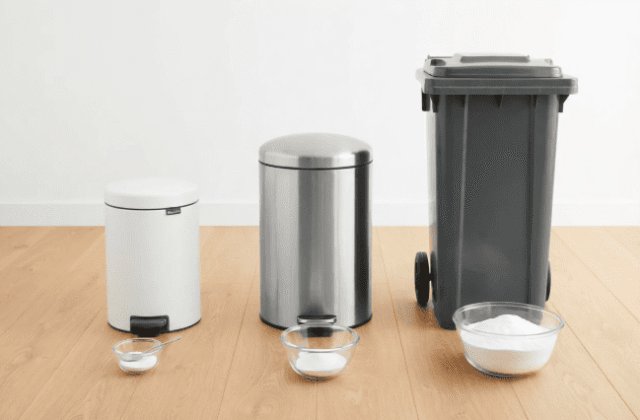
How Much Baking Soda for Trash Can Odor Should You Use?
Use 2 tbsp for small bins, ½ cup for kitchen bins, and 1–1½ cups for outdoor bins. Get exact baking…
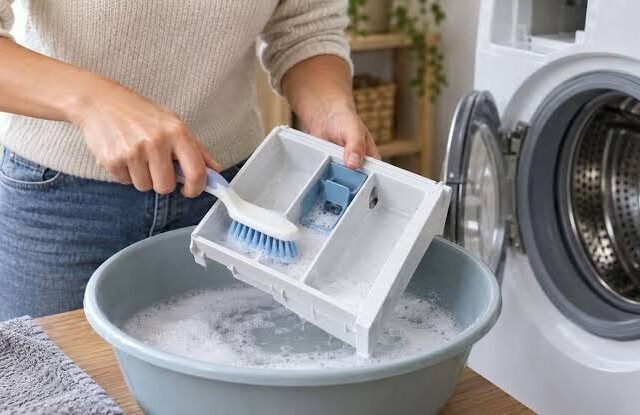
How to Clean a Washing Machine
Learn how to clean a washing machine step by step: door seal, detergent drawer, tub clean cycle and drain filter,…
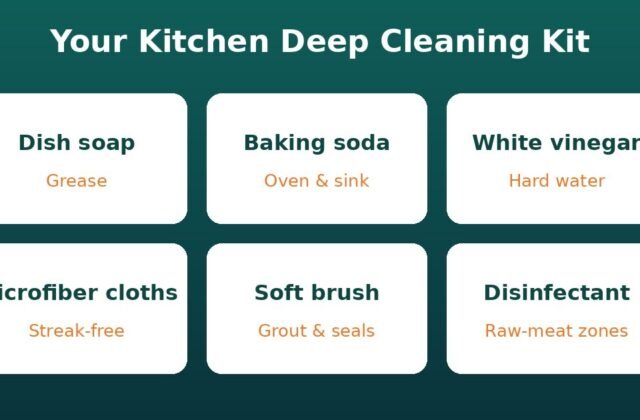
Kitchen Deep Cleaning Checklist: Fridge to Sink (Step by Step)
Deep clean your kitchen in 3–4 hours with this step-by-step checklist. Covers the fridge, oven, sink and floors, plus a…
Questions and tips from readers (1)