Roof Waterproofing Services: What You Get & How to Hire Right
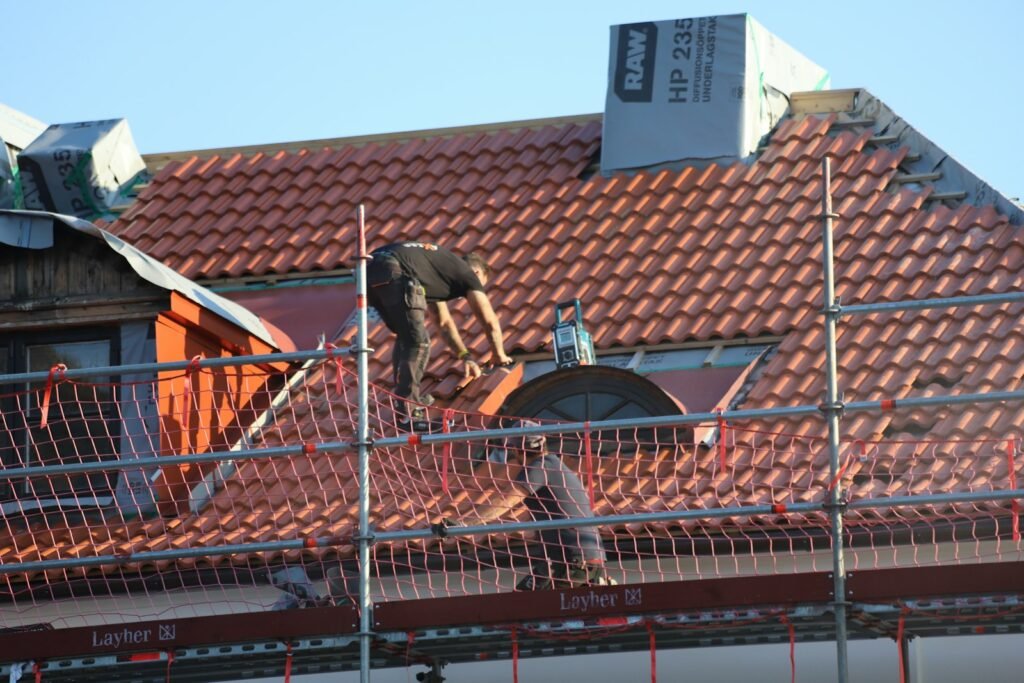
In short: Roof waterproofing services seal your roof with a protective layer so rain can’t soak into the slab, joints or decking. A good service has four parts. It starts with an inspection, then surface repair and prep, then the membrane or coating is applied, and it ends with a water test and a written warranty. The method matters, but the prep and the installer’s skill decide how long the job actually lasts.

At a glance
- Who needs it: Flat concrete roofs, terraces, low-slope roofs, and any roof that already shows damp patches.
- Most common methods: Liquid polyurethane (PU), torch-on bitumen membrane, acrylic coating, and cementitious coating.
- Typical job time: 1–3 days for an average home roof, plus curing time.
- Biggest mistake: Picking a contractor only on price, without asking about prep and warranty.
What Do Roof Waterproofing Services Actually Include?
Many homeowners think waterproofing just means “painting a coating on the roof.” A proper service has several stages, and you should see each one in the contractor’s quote:
- Inspection and leak tracing: The contractor finds where water is getting in, such as cracks, failed joints, blocked drains or ponding spots. Some use moisture meters.
- Cleaning: They remove dust, moss, loose plaster and old peeling coatings.
- Repairs: They fill cracks, fix broken screed, and rebuild the corners where the roof meets the parapet walls (called “fillets” or “coving”).
- Primer: A primer coat helps the membrane bond to the surface.
- Main waterproofing layer: This is the membrane or coating itself, often with reinforcing mesh at joints, drains and pipe outlets.
- Top or protective coat: A UV-resistant or heat-reflective finish goes on roofs exposed to strong sun.
- Flood or water test: The roof is checked with standing water or a hose before handover.
- Warranty and handover: You get written coverage and care instructions.
If a quote only says “waterproofing – full roof” with one lump-sum price, ask for this breakdown before you agree.
Signs Your Roof Needs Waterproofing Now
- Brown or yellow water stains on the top-floor ceiling
- Paint bubbling or flaking near the ceiling line
- Musty smell or mold in upper rooms. See our guide on how to reduce moisture in your home
- Water pooling on the roof 48 hours after rain
- Hairline cracks across the slab or around parapet walls
- A water bill that keeps rising even though you can’t see a leak. Our guide on finding a hidden water leak helps you rule out plumbing first
Which Waterproofing Method Is Right for Your Roof?
A good contractor recommends a method based on your roof type, how much sun it gets, foot traffic, and budget. Here’s a quick comparison:
| Method | How it’s applied | Best for | Typical lifespan* | Watch out for |
|---|---|---|---|---|
| Liquid polyurethane (PU) | Brushed or rolled; cures into a seamless rubbery layer | Complex roofs with many pipes, AC stands and corners | About 15–25 years | Higher upfront cost; needs a dry surface |
| Torch-on bitumen membrane | Rolls heat-fused to the roof with a gas torch | Large, open flat roofs | About 15–20 years | Seams must be welded well; needs trained crew |
| Acrylic coating | 2–3 coats, water-based | Budget refresh, or a topcoat over a sound membrane | About 8–12 years | Shorter life; weak on ponding water |
| Cementitious coating | Cement-polymer slurry, brushed on | Stable slabs, under tiles, water tanks | Varies widely | Can crack if the building moves |
*Lifespans are rough industry ranges and depend heavily on installation quality, surface prep, UV exposure and maintenance. Your installer’s warranty is the better guide.

What Happens on the Job: A Typical Timeline
| Stage | What you’ll see | Usual time |
|---|---|---|
| Day 0 | Site visit, inspection, written quote | 1–2 hours |
| Day 1 | Cleaning, crack repair, corner fillets, primer | Most of the day |
| Day 2 | Main membrane or first coats, mesh at joints and drains | Most of the day |
| Day 3 | Top coat, then curing (keep off the roof) | Half day + curing |
| Final | Water test, photos, warranty handover | 1 day for flood test |
Tip: Book the work for a dry stretch of weather. Most coatings fail early if they’re applied on a damp slab or if rain hits them before they cure.
How to Choose the Right Roof Waterproofing Service

Get at least three quotes, and ask every company the same questions so you can compare fairly.
8 Questions to Ask Before You Sign
- Will you go up on the roof to inspect it? A quote given from the ground or over the phone is a guess.
- What’s causing the leak, and how will you fix that cause? Coating over a blocked drain or broken slope won’t last.
- Which product and brand will you use, and how many coats or layers? Get it in writing.
- Are you trained or approved by that product’s manufacturer? Some manufacturer warranties only apply to approved installers.
- How will you treat drains, pipes, AC stands and parapet corners? Most leaks start at these details, not in the open middle of the roof.
- Is the warranty for materials, workmanship, or both, and for how long? Workmanship cover matters most, because most failures come from installation. Roofing consultants often advise asking for at least two years on workmanship (FacilitiesNet).
- Will you do a water test before final payment?
- Can I see photos or visit two recent jobs?
Red Flags to Avoid
- A very low price with no breakdown of steps
- “No need for repairs, we’ll just coat over it”
- Pressure to pay most of the money upfront
- No written warranty, or a vague one with no time period
- Working on a wet roof or right before forecast rain
What Affects the Price?
Prices vary a lot by country, city and contractor, so treat any online number as a rough guide only. These are the factors that move your quote up or down:
- Roof area: Price is usually per square foot or square meter.
- Method and product brand: PU and premium membranes cost more upfront than acrylic coatings but often last longer, so the cost per year of protection can be lower.
- Surface condition: Removing old coatings and fixing cracks or slopes adds labor.
- Number of details: More pipes, AC stands, drains and corners mean more detailing work.
- Access: High or hard-to-reach roofs need more safety gear and time.
- Extras: Heat-reflective top coats, tiles over the membrane, or longer warranties.
Always compare quotes line by line, not just the final total.
Aftercare: Make Your Waterproofing Last Longer

- Clear drains and gutters before the rainy season and after storms.
- Inspect twice a year (spring and fall) and after heavy storms. Look for bubbles, cuts or peeling.
- Don’t drag furniture, water tanks or AC units across a coated roof. Use pads under heavy items.
- Fix small damage fast. A small cut patched today saves a ceiling repair later.
- Keep paperwork: Store your warranty, the product name and the job photos together.
Water problems rarely stay in one place. If you’ve had roof leaks, it’s worth checking lower areas too. See our guide to crawlspace waterproofing signs and methods.
Frequently Asked Questions
How long do roof waterproofing services take?
Most home roofs take 1–3 working days, plus curing time. Large or badly damaged roofs can take longer because of extra repairs.
Can roof waterproofing be done in the rainy season?
It’s not ideal. Most products need a dry surface and several dry hours to cure. If it’s urgent, a contractor can do a temporary patch and then apply the full system in dry weather.
Is DIY roof waterproofing a good idea?
Small patch jobs with a ready-made liquid coating can work on simple roofs. For active leaks, cracked slabs or large roofs, a professional service is safer and usually comes with a warranty.
Which is better: torch-on membrane or liquid waterproofing?
Torch-on suits big, open flat roofs. Liquid PU suits roofs with many pipes, corners and equipment because it forms one seamless layer. Both last well when installed properly.
How often should a roof be re-waterproofed?
It depends on the system. Acrylic coatings usually need recoating sooner, while PU and torch-on systems last longer. Yearly inspections tell you when it’s time.
The Bottom Line
The best roof waterproofing services fix the cause of the leak, prep the surface properly, use a method that suits your roof, and back their work with a clear written warranty. Use the questions above, compare quotes line by line, and keep up with simple aftercare. Your roof, and the ceilings below it, will stay dry for many seasons.

Muhammad Amjad Butt
Founder of HomeKiTips
Muhammad Amjad Butt is the founder of HomeKiTips. He writes practical guides on home repair, maintenance, cleaning and decor. Each guide is built from manufacturer instructions, building standards and current cost data, then turned into clear steps that anyone can follow. For structural work, he always recommends a qualified tradesperson.
You may also like
Hickory Kitchen Cabinet Remodel: 2026 Costs & Ideas
Plan a hickory kitchen cabinet remodel in 2026. Compare real costs, modern design ideas, countertop pairings, and tips to update…

Painting Roadside Dresser Nautical Blue Without Stripping
Step-by-step process for painting roadside dresser nautical blue without stripping. Includes prep, primer, paint, and sealing tips.
Best Renter-Friendly Ways to Cover Ugly Apartment Tiles (2026 Budget Guide)
Hate your rental's ugly tiles? Explore easy, deposit-safe ways to cover old floors and walls—plus plan your budget with our…
Questions and tips from readers (2)