Small Balcony Garden Ideas for Apartments: Zone-by-Zone Guide
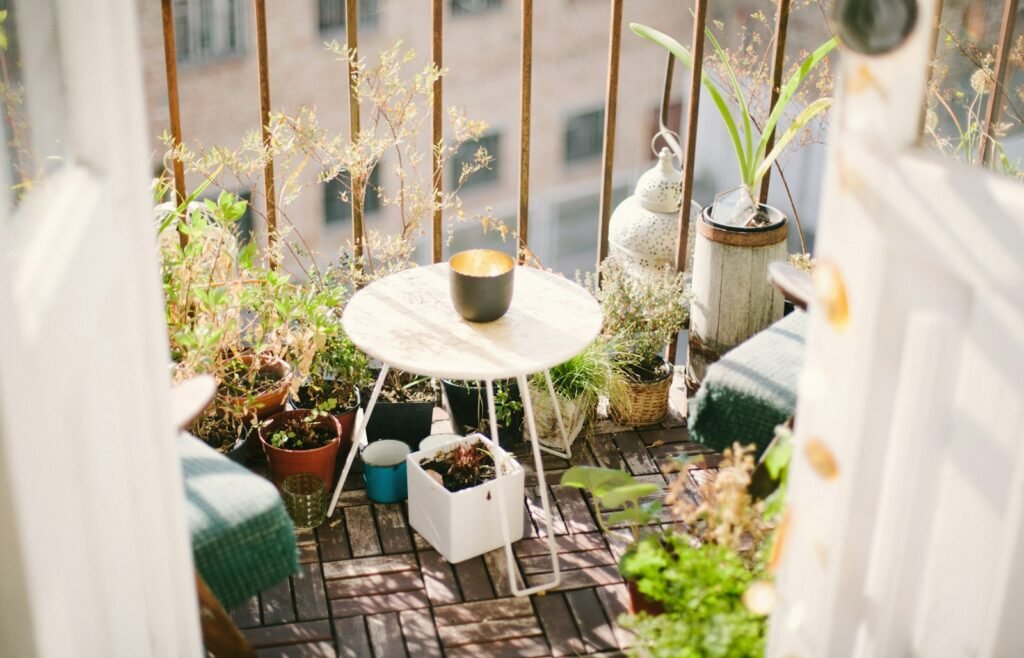
Short answer: The smartest small balcony garden ideas for apartments treat your balcony as five separate zones: floor, railing, wall, ceiling and corner. Then you match each plant to the sunlight that spot actually gets. Use light plastic or fabric pots, keep heavy containers close to the wall, and start with 6 to 8 plants instead of 20. That’s how a 3×5 ft balcony turns green without becoming messy, heavy or hard to look after.

Most balcony gardens fail for one of two reasons. People put sun-loving plants in shade, or they fill the floor with heavy pots until there’s no room to stand. This guide fixes both. Below you’ll find a 10-minute sunlight test, ideas sorted by balcony zone, three ready-made starter plans, and a quick safety check for upper floors.
Step 1: Do the 10-Minute Sunlight Test
Before you buy a single plant, check your light. On a clear day, look at your balcony at 9 am, 12 pm, 3 pm and 6 pm. Count how many of those checks found direct sun on the floor or railing.
| Your result | Light type | Grow these | Skip these |
|---|---|---|---|
| 3–4 checks in sun | Full sun (6+ hours) | Cherry tomatoes, chillies, basil, rosemary, portulaca, bougainvillea | Ferns, peace lily |
| 2 checks in sun | Partial sun (3–6 hours) | Mint, coriander, spinach, lettuce, begonia, money plant | Tomatoes, peppers |
| 0–1 checks in sun | Shade | Pothos, snake plant, ZZ plant, ferns, peace lily | Fruiting vegetables, most flowers |
Tip: The sun moves with the seasons. Repeat the test in summer and winter, and move pots if the light changes.
Step 2: Small Balcony Garden Ideas for Apartments, Zone by Zone
Think of your balcony as five separate growing spaces instead of one small floor. Each zone adds plants without taking away your walking space.
Zone 1: The Railing (Best Sun, Zero Floor Space)

- Over-the-rail planter boxes: These are the easiest win. Fill them with petunias, marigolds, or a row of herbs.
- Hang them on the inside of the rail: A pot that hangs outward can fall on someone below. Keep planters facing in and clip them tightly.
- Use short plants only: Tall plants on the railing catch wind and tip over.
Zone 2: The Wall (Grow Up, Not Out)
- Pocket planters or felt wall bags: One square foot of wall can hold 6–9 small plants.
- Pegboard with hanging pots: It works well for renters because you can move it later.
- A trellis for climbers: Money plant, jasmine or beans give you a green wall and more privacy.
Zone 3: The Ceiling (Trailing Plants Live Here)
- Fix one or two strong ceiling hooks and use macramé hangers.
- Good trailers: pothos, spider plant, string of pearls, and trailing petunias in sunny spots.
- Hang pots at a height where you can still water them without a stool.
Zone 4: The Corner (Your Storage Tower)

- A 3- or 4-tier ladder shelf turns a dead corner into the busiest part of your garden.
- Put sun-lovers on the top shelf and shade-lovers at the bottom.
- Keep the heaviest pot on the lowest shelf so the stand doesn’t wobble.
Zone 5: The Floor (Keep It Mostly Clear)
- Use the floor only for your biggest pots, like a tomato, a chilli plant, or one statement plant.
- Place pots on saucers or plant caddies with wheels so you can move them toward the sun and clean underneath.
- Leave a clear path at least as wide as your shoulders. A cluttered balcony is a tripping hazard. See our tips on how to prevent falls at home.
Step 3: Pick a Ready-Made Starter Plan
Not sure where to begin? Choose the plan that fits your light and goal.
Plan A: The Kitchen Balcony (Full or Partial Sun)

- Railing box: basil, coriander, parsley
- Wall pockets: mint (always in its own pot, because it spreads fast), spring onions
- Floor: one cherry tomato and one chilli in large grow bags
Pot size matters. Oregon State University Extension says 10-inch pots suit herbs, parsley and green onions, while tomatoes and peppers need five-gallon containers. Leafy crops can go smaller: a 6-inch pot holds one lettuce or spinach plant, and a 12-inch pot holds about four.
Plan B: The Low-Care Green Balcony (Shade or Busy Owners)
- Ceiling: two pothos in hanging baskets
- Corner shelf: snake plant, ZZ plant, and a fern on the bottom shelf
- Floor: one large peace lily or areca palm
These plants can handle a missed watering, and they don’t need much direct sun.
Plan C: The Cozy Sit-Out (Any Light)

- A folding chair and a small fold-down wall table
- Railing flowers for color, plus one trailing plant overhead
- Solar fairy lights for the evening, so there’s no extra wiring or power bill
- Interlocking deck tiles to cover a plain concrete floor
Step 4: The Upper-Floor Safety Check
This is the part most balcony garden posts skip. Wet soil is heavy, roughly 100 pounds per cubic foot. Even one deep planter can add more weight than you’d expect.
- Choose light pots: Plastic, resin, fiberglass, and fabric grow bags weigh far less than clay, ceramic, or cement.
- Use potting mix, not garden soil: It’s lighter and drains better.
- Put heavy pots near the wall: The part of the balcony nearest the building is usually the strongest. Don’t group all the big pots together.
- Ask first: If you rent, check your lease or ask building management about weight limits and railing planters.
- Control drips: Use saucers so water doesn’t run onto the balcony below. Constant dripping can also stain walls. Learn how to spot damp problems early in our guide to finding hidden water leaks.
Simple Weekly Care Routine
- Check soil every morning: Push a finger 1 inch deep. Water only if it feels dry.
- Water slowly at the base: Stop when water starts to come out of the drainage hole.
- Empty saucers after an hour: Standing water causes root rot and attracts mosquitoes and pests. See our pest control guide to learn why moisture invites bugs.
- Turn pots once a week: This keeps plants from leaning toward the light.
- Feed every 2–4 weeks in the growing season: Use liquid fertilizer or compost tea. Potted plants use up their soil nutrients faster than plants in the ground.
When temperatures drop, move tender plants inside. Here’s how to do it without shocking them: How to Bring Potted Plants Indoors for Winter (Safely).
5 Mistakes That Kill Balcony Gardens
- Buying plants first and checking sunlight later
- Pots with no drainage holes
- Overwatering, especially in shade where soil dries slowly
- Tall plants on the railing in windy spots
- Too many plants at once. Start with 6–8, then add more
For a detailed pot-size chart by vegetable, check the Old Farmer’s Almanac container gardening guide.
FAQs
What are the best small balcony garden ideas for apartments with no sun?
Use shade-tolerant foliage plants like pothos, snake plant, ZZ plant, ferns, and peace lily. Hang trailing plants from the ceiling and use a corner shelf to group them. Skip fruiting vegetables, because they need several hours of direct sun.
How many plants can fit on a small apartment balcony?
A typical 3×5 ft balcony can hold 10–15 plants if you use the railing, wall, ceiling, and a corner shelf. Keep the floor mostly clear. Beginners should start with 6–8 plants.
Can I make a balcony garden as a renter?
Yes. Use over-the-rail planters, freestanding ladder shelves, tension-rod hangers, and pots on wheels. These need no drilling. Check your lease for any rules on railing planters or weight first.
What vegetables grow well on a small balcony?
Cherry tomatoes, chillies, lettuce, spinach, radishes, spring onions, and most herbs grow well in containers. Fruiting plants need a sunny balcony and larger pots of at least 5 gallons.
How do I stop balcony pots from dripping on neighbors?
Put a saucer under every pot, water slowly until the first drops appear, and empty the saucers after an hour. Self-watering pots also cut down on drips.
Your Next Step
Do the sunlight test today, choose one starter plan, and plant just one zone this week, ideally the railing. Once those plants are doing well, add the wall or ceiling. Small steps keep these small balcony garden ideas for apartments easy to manage, safe, and green all year.

Muhammad Amjad Butt
Founder of HomeKiTips
Muhammad Amjad Butt is the founder of HomeKiTips. He writes practical guides on home repair, maintenance, cleaning and decor. Each guide is built from manufacturer instructions, building standards and current cost data, then turned into clear steps that anyone can follow. For structural work, he always recommends a qualified tradesperson.
You may also like
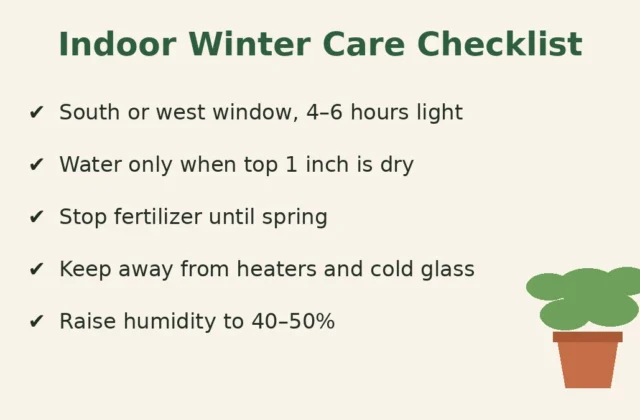
How to Bring Potted Plants Indoors for Winter (Safely)
Bring potted plants indoors for winter the right way. Learn the 50°F rule, a pest check, a 14-day acclimation plan…
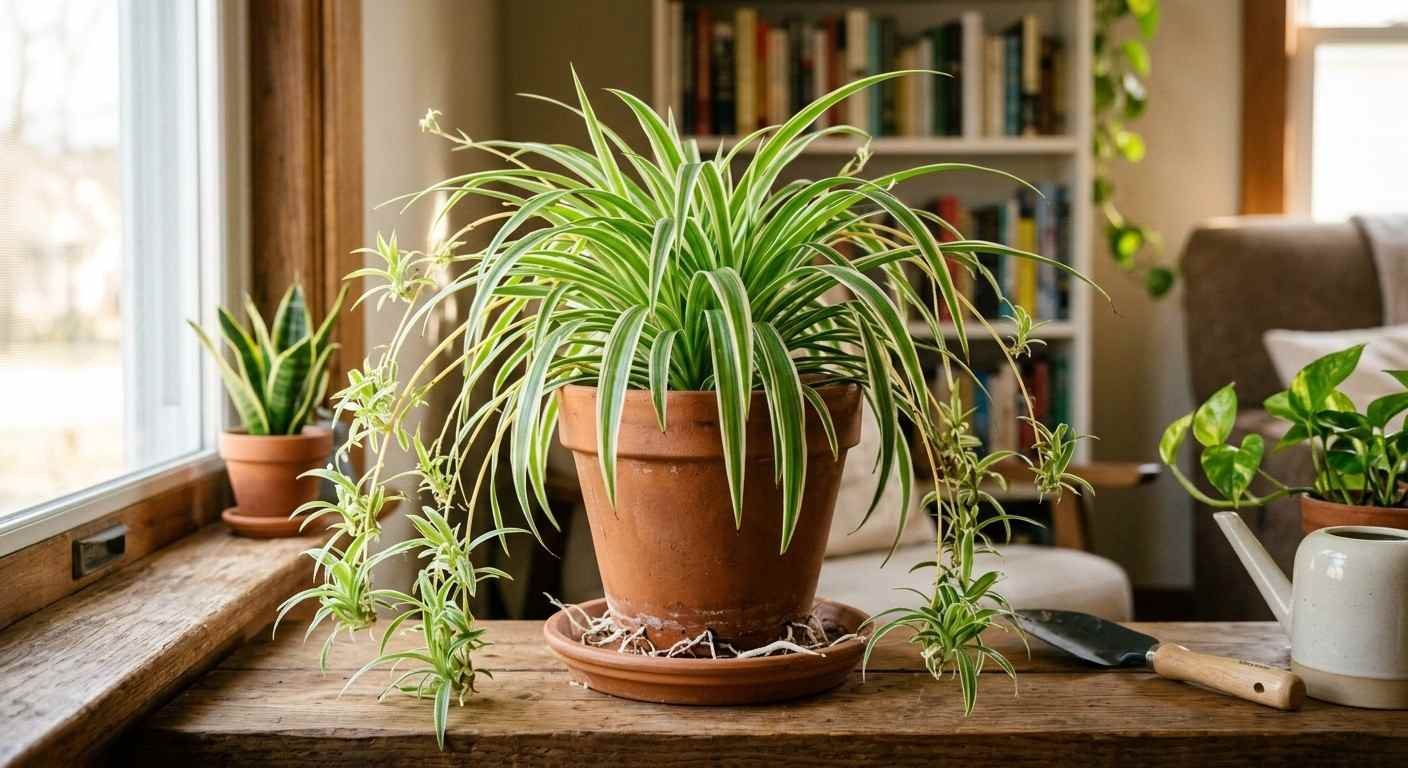
Do Spider Plants Like to Be Root Bound? (When to Repot and When to Wait)
Spider plants tolerate being root bound and often thrive snug. Learn the signs it is time to repot, healthy vs…

Do Mosquito Repellent Plants Really Work? The Truth
Do mosquito repellent plants really work? Science says a potted plant gives little protection. Learn which plants help a bit…
Questions and tips from readers (1)