How to Make a Bathroom Slip-Proof for Seniors Without Remodeling

Quick Answer: You can make a bathroom completely slip-proof for seniors without any remodeling by combining chemical anti-slip tile treatments, high-contrast rubber bath mats, and zero-drill safety bars. Adding motion-sensor nightlights, high-traction footwear, and wall-mounted soap dispensers eliminates the most common fall triggers for less than $150.
| Bathroom Slip Hazard | No-Remodel Fix | Estimated Cost | Setup Effort |
|---|---|---|---|
| Slippery Wet Tile Floor | Liquid Anti-Slip Tile Etching Spray | $20 – $35 | Low (15 mins) |
| Fall Risk Getting In/Out of Tub | Tension-Pole / Suction Grab Bar | $25 – $60 | Low (No drilling) |
| Low Visibility / Wet Puddles | High-Contrast Charcoal Non-Slip Mat | $15 – $25 | Immediate |
| Slipping on Dropped Bar Soap | Wall-Mounted Liquid Soap Dispenser | $15 – $30 | Low (Adhesive mount) |
| Reaching Out Wet for Towels | Next-to-Shower Towel Hooks | $10 – $15 | Immediate |
| Slick Slippers on Wet Tiles | Deep-Tread Rubber Shower Shoes | $12 – $20 | Immediate |
Invisible Anti-Slip Floor Treatments (Better Than Mats)
Traditional rubber suction mats often trap water, mold, and soap scum underneath them. Over time, this creates a hidden, slimy layer that can cause the mat itself to slide out from under a senior’s feet.
Liquid anti-slip tile treatments solve this problem without changing the look of your bathroom floor. These clear chemical solutions create microscopic tread on porcelain and ceramic tiles, dramatically increasing grip when the floor gets wet.
+-----------------------------------------------------------------------+
|                 NO-REMODEL FLOOR SAFETY COMPARISON                    |
+--------------------------+-----------------------+--------------------+
| Solution Type            | Pros                  | Cons               |
+--------------------------+-----------------------+--------------------+
| Liquid Tile Treatment    | Microscopic grip,     | Works only on tile |
|                          | zero mold, invisible  | and porcelain      |
+--------------------------+-----------------------+--------------------+
| Clear Adhesive Strips    | Works on fiberglass,  | Edges peel over    |
|                          | cheap, easy apply     | time, traps dirt   |
+--------------------------+-----------------------+--------------------+
| Suction Rubber Mats      | Cushioned surface,    | Traps black mold,  |
|                          | easy to move around   | slides if soapy    |
+--------------------------+-----------------------+--------------------+
- Liquid Microscopic Etching: Sprayed directly onto clean tile, these treatments react with the minerals in porcelain or ceramic to form thousands of microscopic micro-treads. The floor feels smooth when dry, but locks onto wet feet like running shoes.
- Clear Non-Slip Adhesive Strips: Ideal for acrylic shower bases or smooth fiberglass tubs where chemical sprays cannot be used. They provide strong traction, though the edges can peel after 6 to 12 months of daily hot showers.
- Suction Bath Mats: If you prefer using a physical mat inside the shower stall, choose an open-weave or loofah-style mat that lets water drain through freely. Lift and hang suction mats after every use to prevent black mold from forming underneath.
Zero-Drill & Renter-Friendly Grab Solutions
Many seniors live in rental properties or homes where drilling into delicate shower tile is not an option. Fortunately, heavy-duty zero-drill alternatives provide firm support without causing wall damage.
- Floor-to-Ceiling Tension Poles: These heavy-duty steel poles use spring tension between the floor and ceiling to hold up to 300 pounds. They can be placed right beside the bathtub or toilet to offer a sturdy upright handhold without drilling a single hole.
- Heavy-Duty Suction Grab Bars: These portable bars lock onto smooth, non-porous tiles using dual vacuum suction cups. Always choose models equipped with color-coded safety indicators (green for locked, red for loose) and test the grip before every use.
- Important Placement Rule: Suction grab bars must be attached across clean, whole tiles. Never place a suction cup directly over a grout line, as air will slowly leak in and release the vacuum seal.
The “Dry Zone vs. Wet Zone” Visibility Hack
Age-related vision decline makes it difficult for seniors to detect subtle contrasts, glare, or clear water puddles on white or light-beige bathroom tiles. Creating distinct visual contrast prevents dangerous missteps.
- High-Contrast Dark Mats: Replace white or beige mats with dark-colored options like navy blue, charcoal gray, or deep burgundy. Laying a dark non-slip mat down creates a clear visual boundary showing exactly where the safe “dry landing zone” begins when stepping out of the shower.
- Glare Reduction: Overhead lights can create reflective glare on wet tiles that blinds seniors or masks water puddles. Place a matte-finish runner rug outside the tub to block tile glare.
- Motion-Sensor Nightlights: Most senior bathroom falls happen between midnight and 6:00 AM when navigating in the dark. Plug automated motion-sensor nightlights into low outlets to illuminate the pathway from the bed to the toilet and sink without blinding overhead glare.
The Towel Reachability Rule & Soap Safety
Reaching awkwardly while dripping wet is a primary trigger for loss of balance in the bathroom. Small changes to how towels and soap are arranged eliminate these dangerous movements.
+-----------------------------------------------------------------------+
|                    POOR vs. SAFE BATHROOM LAYOUT                      |
+-----------------------------------------------------------------------+
| WRONG:                                                                |
| [Shower Door] -------- (Dripping Wet Walking Path) -------> [Towel]   |
| (Senior steps out on slippery tiles to grab a towel)                  |
+-----------------------------------------------------------------------+
| CORRECT:                                                              |
| [Shower Door] ---> [Towel Hook Right Beside Door]                     |
| (Senior dries hands and torso while standing safely inside shower)    |
+-----------------------------------------------------------------------+
- The Towel Reachability Rule: Position adhesive towel hooks directly beside the shower door or curtain opening. Seniors should be able to reach their towel without taking a step onto the outer bathroom floor. Instruct caregivers or family members to dry off hands and feet while still standing inside the slip-resistant shower stall.
- Bar Soap Slip Hazards: Traditional bar soap easily slips out of trembling hands, landing on the shower floor where it turns into an invisible, jelly-like slip hazard.
- Wall-Mounted Soap Dispensers: Install adhesive, wall-mounted liquid soap and shampoo dispensers at chest height. They eliminate dropped soap bars, stop slick soap scum buildup on tiles, and can be operated easily with one hand using a gentle push button.
Senior Bathroom Footwear (Often Overlooked)
Even the most slip-resistant floor cannot protect someone who is wearing worn-out, slick footwear. Traditional foam house slippers act like ice skates on damp bathroom tiles.
- Ditch Worn Foam Slippers: Soft-soled fabric slippers compress over time, losing all tread and absorbing water. Once wet, the soles become extremely slick on smooth porcelain or vinyl flooring.
- Deep-Tread Rubber Shower Shoes: Encourage seniors to wear waterproof shower shoes with non-marking, deep rubber grooves inside the bathroom. The textured footbed keeps their feet from sliding inside the shoe, while the rubber tread grips wet tiles securely.
- Hospital-Style Grippy Socks: For nighttime bathroom visits, use treaded non-skid socks that feature thick rubber traction patterns across both the top and bottom of the foot.
Cleaning Mistakes That Secretly Make Floors Slippery
Standard cleaning routines often leave behind unseen chemical films that turn wet bathroom floors into hazard zones. Avoiding these three cleaning mistakes keeps tiles naturally grippy.
- Wax-Based Cleaners and Furniture Polish: Never clean bathroom tiles with multi-surface sprays containing wax, silicone, or gloss restorers. These products build up an invisible, slick coating that becomes dangerously slippery when exposed to water steam.
- Fabric Softener on Bath Mats: Washing non-slip mats or towels with liquid fabric softener coats the fibers in slippery oils. This severely reduces the mat’s ability to absorb water and strips away the rubber backing’s friction grip.
- Bleach Residue Buildup: Bleach breaks down the protective glaze on porcelain tiles over time and leaves behind a slick chemical film if not thoroughly rinsed with clean water.
Safe DIY Anti-Slip Cleaning Recipe
Mix 1 cup of distilled white vinegar with 1 gallon of warm water and 2 drops of clear dish soap. Mop the tile floor weekly with this solution to strip away slippery soap residue and hard water deposits naturally, restoring the tile’s original grip.
Step-by-Step Weekend Action Plan
You can complete a total no-remodel bathroom safety overhaul in a single weekend. Pick the budget tier that matches your needs and follow this quick setup guide:
Tier 1: Essential Safety Upgrade (Under $50)
- Apply a bottle of clear liquid anti-slip tile treatment to the shower floor and main bathroom tiles (15 minutes).
- Install two adhesive towel hooks directly next to the shower door frame (5 minutes).
- Place one motion-sensor nightlight in the bathroom wall outlet (1 minute).
- Swap out slick slippers for a pair of rubber-soled shower shoes (Immediate).
Tier 2: Complete Protection Overhaul (Under $150)
- Complete all items in the Under $50 Plan.
- Mount two indicator-equipped suction grab bars on smooth tiles inside the shower stall (10 minutes).
- Place a high-contrast charcoal rubber mat outside the shower door (2 minutes).
- Install a no-drill, adhesive wall-mounted liquid soap dispenser inside the shower (5 minutes).
- Install a floor-to-ceiling tension grab pole beside the bathtub or toilet (20 minutes).
Frequently Asked Questions
Do anti-slip sprays ruin the appearance of bathroom tiles?
No. Quality liquid anti-slip treatments create microscopic surface tread on porcelain and ceramic tiles without altering their color, shine, or pattern. The tiles look identical when dry, but provide firm grip when exposed to water.
Are suction cup grab bars actually safe for seniors?
Suction grab bars are safe for balance assistance when applied correctly to clean, smooth, non-porous tiles. However, they should never be installed over grout lines or used to support full body weight during a fall. Always choose models with visual safety indicators and test the vacuum seal weekly.
What is the safest type of bath mat for elderly people?
The safest bath mat is an open-weave or heavy-duty rubber mat featuring a textured top and a solid rubberized bottom. Avoid thick, fluffy microfiber mats that slide easily, and choose dark colors like charcoal or navy to maximize visual contrast against light bathroom flooring.
How do I stop my bathroom floor from being slippery after cleaning?
Rinse tile floors thoroughly with clean warm water after mopping to wash away all detergent film. Avoid using wax-based cleaners or heavy bleach solutions, and periodically wipe the floor down with a diluted white vinegar mixture to remove slick soap scum buildup.

Muhammad Amjad Butt
Founder of HomeKiTips
Muhammad Amjad Butt is the founder of HomeKiTips. He writes practical guides on home repair, maintenance, cleaning and decor. Each guide is built from manufacturer instructions, building standards and current cost data, then turned into clear steps that anyone can follow. For structural work, he always recommends a qualified tradesperson.
You may also like

How to Childproof Sharp Brick Hearth Edges Without Drilling
Worried about toddlers falling on sharp fireplace bricks? Learn how to childproof sharp brick hearth edges without drilling using heat-safe…

How to Prevent Falls at Home for Seniors
Learn how to prevent falls at home for seniors with a room-by-room checklist, CDC-backed numbers, simple balance tests and a…
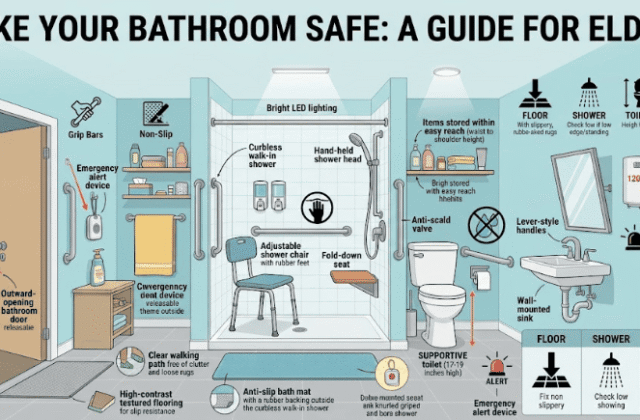
How to Make a Bathroom Safe for Elderly Family Members
Learn how to make a bathroom safe for elderly family members with grab bars, non-slip floors, shower chairs, better lighting…
Questions and tips from readers (1)