How to Childproof Sharp Brick Hearth Edges Without Drilling

Quick Answer: Top No-Drill Hearth Safety Methods
To safely childproof a sharp brick hearth without drilling:
- High-Density Foam Edge Guards: Use heavy-duty outdoor acrylic mounting tape (not standard factory tape) on thoroughly prepped brick.
- Full-Coverage Cushion Pads: Protect the top seating surface and sharp front corners simultaneously using custom-fit flame-retardant foam pads.
- No-Sew Fabric Covers: Layer thick quilt batting under a fleece cover attached around the base with industrial Velcro strips.
- Freestanding Baby Gates: Surround the entire hearth area with a gated play yard or hardware-free barrier when the fireplace is active.
Before stocking up on safety gear, remember that childproofing expenses can add up quickly across your whole house. You can log safety supplies alongside your regular household bills using the free Monthly Home Expense Planner on our homepage to keep your family budget on track.
Why Brick Hearths Are Hard to Childproof (And How to Prep Them)
If you have ever tried sticking standard plastic corner guards onto brick, you probably watched them peel off within 24 hours. Masonry is porous, dusty, and uneven, which prevents standard pressure-sensitive adhesives from taking hold.
To make adhesives stick to rough brick without drilling, you must prepare the surface properly first using this 3-Step Brick Prep Method:
- Brush Away Loose Mortar: Take a dry, stiff-bristled brush and thoroughly scrub the edge of the hearth. This removes crumbly mortar, surface dust, and loose sand particles.
- Vacuum the Texture: Use a shop vac or your vacuum cleaner’s hose attachment with a brush tool to pull trapped dust out of the brick crevices.
- Degrease with Rubbing Alcohol: Wipe down the exact areas where tape will sit using a lint-free cloth soaked in 70% isopropyl rubbing alcohol. Let the brick air dry completely for 15 minutes before applying tape.
Taking the time to complete these steps ensures your temporary guards hold firm when a toddler pulls on them, making them as dependable as other non-slip and no-drill home safety tips around your living space.
4 Best No-Drill Ways to Cover Sharp Brick Hearth Edges
Depending on whether you use your fireplace regularly or want to cover the entire hearth area, here are four proven, damage-free methods to keep your children safe.
Method 1: High-Density Fire-Retardant Foam Edge Guards
Soft rubber or foam edge guards provide excellent impact absorption along sharp borders. Instead of relying on the weak double-sided tape that comes packaged in the box, peel it off and use outdoor acrylic mounting tape. Acrylic tape conforms into the pitted texture of brushed brick, creating a strong grip that resists toddler pulling.
Method 2: Full-Coverage Hearth Cushion Pads
If your child is learning to walk, protecting just the front lip might not feel like enough. Full-coverage hearth cushions fit like a tailored cap over the top face and drape down over all three exposed sides. They attach securely around the perimeter using heavy-duty hook-and-loop strips fixed to the clean brick sides.
Method 3: No-Sew Fleece or Quilted Hearth Cover
For a budget-friendly DIY setup, wrap thick polyester quilt batting or high-density foam sheets around the hearth’s perimeter. Cover the padding with a durable fleece or canvas fabric, securing the fabric underneath or behind the hearth lip using heavy-duty Velcro. This softens the entire corner while blending naturally with your room’s decor.
Method 4: Freestanding Hearth Baby Gate
If you have an active fireplace or want a physical barrier that keeps toddlers completely away from the hearth, choose an adjustable, freestanding gate enclosure. These multi-panel barriers sit surrounding the hearth and stay stable using rubber foot pads or tension mounts against nearby walls without drilling into masonry.
Comparison of No-Drill Hearth Childproofing Methods
Review this breakdown to find the method that best matches your budget and home layout:
| Method | Best For | Heat / Fire Safety | Renter & Brick-Safe Rating | Est. Cost |
|---|---|---|---|---|
| Foam Edge Guards | Low-profile edge coverage | Keep 18″ away from open flames | 8/10 (Requires careful adhesive removal) | $15 – $30 |
| Full Hearth Cushions | Complete top & side protection | Remove before lighting fires | 9/10 (Uses targeted Velcro strips) | $45 – $90 |
| No-Sew Fabric Cover | Custom decorative look on a budget | Remove during fireplace use | 9/10 (Velcro attachment) | $20 – $40 |
| Freestanding Gate | Active fireplaces & full boundary control | Excellent (Flame barrier) | 10/10 (Zero adhesive contact) | $70 – $140 |
Crucial Fire & Heat Safety Rules
Safety foam, fabric covers, and acrylic tapes are designed for impact protection, not direct exposure to open flames. Never burn wood or run a gas fireplace while synthetic foam or fabric guards are attached directly to the hearth lip.
Maintain at least 12 to 18 inches of clearance between active heat sources and temporary foam padding. If you plan to burn wood during winter months, remove foam guards entirely or opt for a metal hearth gate.
How to Remove Adhesive from Brick Without Damage
When your child outgrows the need for padding, or if you are preparing to move out of a rental, you can remove acrylic mounting tape without leaving residue or chipping the brick surface:
- Warm the Adhesive: Plug in a standard hairdryer set to medium-high heat. Hold it 2 to 3 inches away from the tape for 30 to 45 seconds to soften the acrylic bond.
- Pry Gently with Plastic: Slide a rigid plastic putty knife or old credit card underneath the edge of the tape. Slowly peel the tape back at a 45-degree angle. Never use a metal blade, which can scrape off decorative brick glaze.
- Dissolve Remaining Residue: Spray any remaining sticky patches with a citrus-based adhesive remover or mineral spirits. Let it sit for 3 minutes, scrub gently with a stiff nylon brush, and wipe clean with a warm rag.
Using these steps helps maintain pristine brick surfaces, making this process as straightforward as other renter-friendly home fixes that leave zero damage.
For more guides on protecting your home and family, check out our full collection of child and elder safety guides.
Frequently Asked Questions (FAQs)
Will double-sided tape ruin my fireplace brick?
No, standard double-sided tape will not ruin brick, but weak adhesives leave sticky residue behind. Using outdoor acrylic tape over prepped brick allows for secure attachment and clean removal when warmed gently with a hairdryer.
How do you get foam guards to stick to brick?
You must thoroughly clean the brick before applying guards. Brush away mortar dust, vacuum crevices, degrease with rubbing alcohol, and replace factory tape with heavy-duty outdoor acrylic mounting tape for lasting adhesion.
Are foam hearth guards safe near active fires?
No, foam hearth guards are not heat-resistant. You must remove synthetic foam or fabric guards when lighting wood fires, maintaining at least 12 to 18 inches of clearance from direct flames.
Can toddlers peel foam guards off brick hearths?
Not if you use heavy-duty acrylic tape on clean brick. Toddlers easily pull off standard factory tape, but acrylic tape forms a tight bond in brick pores that resists tugging.
What is the easiest no-drill hearth childproofing option?
A pre-made full-coverage hearth pad is the easiest option. It slips directly over the brick lip like a fitted cap and stays secure with minimal Velcro, eliminating custom cutting.
How long can adhesive foam stay on brick surfaces?
Adhesive foam can stay attached for several years safely. Inspect the edges every few months to ensure the bond remains firm against curious toddler fingers pulling on corners.
Is a freestanding gate safer than hearth foam?
Yes, freestanding gates offer superior overall safety. Gates keep children completely away from both hot fireplace doors and hard hearth edges, making them ideal for active fireplaces.
How do you clean sticky residue off brick edges?
Use a citrus adhesive remover and a nylon brush. Apply the remover onto sticky residue, let it sit for 3 minutes, and scrub gently before wiping with warm water.

Muhammad Amjad Butt
Founder of HomeKiTips
Muhammad Amjad Butt is the founder of HomeKiTips. He writes practical guides on home repair, maintenance, cleaning and decor. Each guide is built from manufacturer instructions, building standards and current cost data, then turned into clear steps that anyone can follow. For structural work, he always recommends a qualified tradesperson.
You may also like
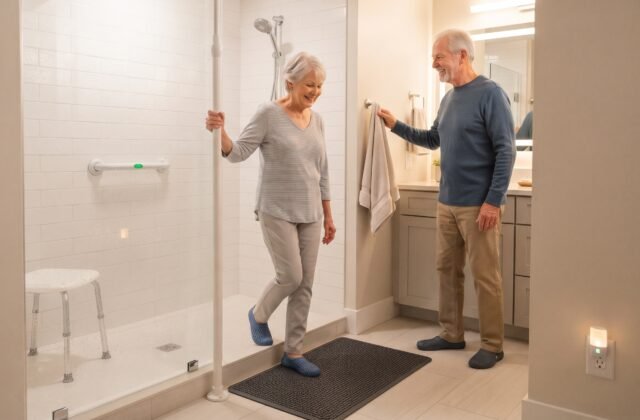
How to Make a Bathroom Slip-Proof for Seniors Without Remodeling
Learn how to make a bathroom slip-proof for seniors without remodeling. Discover budget-friendly anti-slip tile sprays, zero-drill grab bars, dark…

How to Prevent Falls at Home for Seniors
Learn how to prevent falls at home for seniors with a room-by-room checklist, CDC-backed numbers, simple balance tests and a…
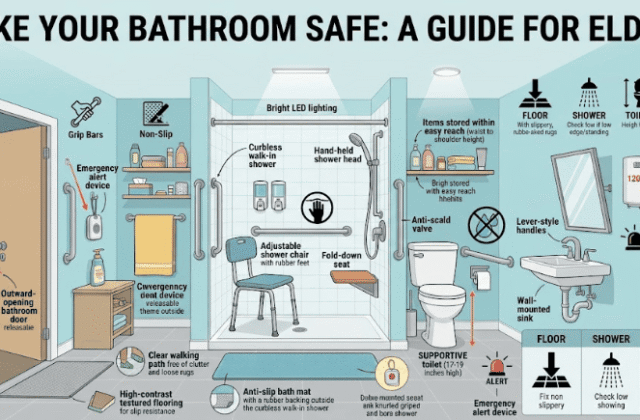
How to Make a Bathroom Safe for Elderly Family Members
Learn how to make a bathroom safe for elderly family members with grab bars, non-slip floors, shower chairs, better lighting…