How to Get Rid of Pantry Moths in Flour Containers Naturally (Fast & Safe)

Finding small, grayish-brown moths fluttering around your kitchen is frustrating. Discovering tiny worms inside your expensive bag of organic flour is even worse. These are pantry moths (Indianmeal moths), and they love stored dry goods like flour, cereal, baking mixes, and pet food.
Quick Answer: Fastest Natural Steps
To eliminate pantry moths fast without chemicals:
- Immediate Action: Seal infested flour in a bag and remove it from your home immediately.
- Deep Clean: Vacuum pantry shelves and wipe them down with a 50/50 white vinegar and water solution. Pay close attention to tiny crevices and shelf peg holes.
- Protect New Food: Freeze newly purchased flour for 72 hours to kill microscopic eggs.
- Storage: Transfer all dry goods into airtight glass or metal containers with rubber gaskets.
- Repel: Place dried bay leaves inside your flour containers and on pantry shelves to deter future moths.
Here is a step-by-step guide to reclaiming your kitchen naturally.
How to Spot Pantry Moths Early
Catching an infestation early can save you from throwing out your entire pantry. Look for these signs:
- Tiny Silk Webbing: Often found in the corners of flour bags, inside jar lids, or clumping the flour together inside the container.
- Larvae (Worm-like): Small, cream-colored worms with darker heads, often crawling near the top of containers or along ceiling corners.
- Adult Moths: Small, reddish-brown or gray moths (about 5/8 inch long) flying erratically near kitchen lights at night or resting on walls.
Step-by-Step Natural Removal Process
You cannot simply spray insecticide in a pantry where you store food. You must physically remove the breeding ground.
Step 1: Discard Infested Food Safely
This is the most critical step. If you see webbing in one bag of flour, assume everything in that pantry is compromised.
- Inspect all dry goods: flour, rice, oats, pasta, baking mixes, spices, and even unopened cardboard boxes.
- Place any infested items into a plastic garbage bag.
- Seal the bag tightly and take it immediately to an outdoor trash bin. Do not leave it in your indoor kitchen trash, as the larvae can crawl out and re-infest the area.
Step 2: Vacuum and Scrub Hidden Spots
Once the food is gone, you must eliminate the eggs and larvae hiding in the pantry structure.
- Remove all remaining non-infested items from the shelves.
- Use a vacuum cleaner hose attachment to thoroughly vacuum every corner, crack, and crevice of the pantry.
- Crucial Tip: Vacuum the small shelf peg holes inside cabinet walls. Larvae love to crawl into these dark, tiny spots to pupate.
- Empty the vacuum canister outside immediately.
- Wipe down all shelves, walls, and the undersides of shelves with a 50/50 mixture of white vinegar and warm water.
Step 3: Wash Containers Thoroughly
If you had flour stored in reusable plastic containers, they must be decontaminated.
- Wash the containers, lids, and especially the screw threads (where eggs hide) with hot, soapy water.
- For extra security, you can run them through a high-heat dishwasher cycle or rinse them with boiling water.
The 72-Hour Freezer Trick for New Groceries
Pantry moths often enter your home directly from the grocery store in infested packaging. Even sealed bags are not immune, as larvae can chew through thin plastic.
Before putting newly bought flour or grains into your clean pantry, use the freezer trick:
- Place the new bag of flour (still in its original packaging) into a large zip-top freezer bag. Squeeze out the air and seal it.
- Put it in the freezer for 72 hours (3 to 4 days).
- The freezing temperature kills any microscopic eggs or larvae inside the flour.
- Remove the bag, let it come to room temperature, wipe off any condensation, and transfer the flour to an airtight container.
This is a vital part of a proactive 15-minute kitchen closing shift routine to keep pests out long-term.
Best Natural Deterrents: Comparison Table
Once your pantry is clean and your food is secured, you can use natural scents to repel any strays.
| Deterrent | How It Works | Best Placement | How Often to Replace | Safety Around Food |
|---|---|---|---|---|
| Dried Bay Leaves | The strong scent repels adult moths, preventing them from laying eggs. | Inside flour containers, canisters, and corners of shelves. | Every 2–3 months as the scent fades. | Safe. Can be placed directly in food. |
| Cedarwood Blocks | Natural oils in cedar repel moths. | Place on shelf corners or hang in the pantry. | Lightly sand them annually to refresh the scent. | Safe. Do not place directly in food. |
| Clove or Peppermint Oil | Strong aroma disrupts moth pheromones and repels them. | Soak cotton balls and place in corners (keep oil off plastic). | Reapply oil to cotton balls weekly. | Safe, but keep oil from touching food directly. |
| Pheromone Traps | Uses synthetic female pheromones to attract and trap male moths. | Place on a shelf away from windows/doors. | Every 8–12 weeks. | Safe (non-toxic glue). |
Note: Pheromone traps do not eliminate an infestation; they are best used as monitors to tell you if moths are present.
Preventing Future Infestations
To keep pantry moths away permanently, you must change how you store food.
- Ditch the Cardboard and Thin Plastic: Larvae can easily chew through bags of flour, rice boxes, and pasta packaging.
- Switch to Glass or Metal: Immediately transfer all dry goods, especially flour, into heavy-duty airtight glass jars with rubber gasket seals (like Mason jars or clamp-lid canisters). If a moth gets into one jar, it cannot spread to the rest of the pantry.
- Practice First-In, First-Out: Don’t just keep topping off your flour container. Use the entire contents, wash the jar, and let it dry completely before refilling it with a fresh batch.
Dealing with a pest issue can also be financially stressful if you have to throw out hundreds of dollars in groceries. For help tracking these costs, use HomeKiTips’ free Monthly Home Expense Planner to manage your household budget while replacing lost pantry items.
For more advice on keeping your home free of pests, check our other HomeKiTips guides on natural pest control.
Frequently Asked Questions (FAQs)
Are pantry moths harmful if accidentally eaten?
While it is unpleasant, accidentally consuming flour moth larvae, eggs, or webbing is generally not harmful to human health. They do not carry diseases like cockroaches or flies. However, severe infestations can contaminate food with feces, which may cause allergic reactions in some people.
Do bay leaves kill pantry moths or just repel them?
Bay leaves act as a repellent, not a killer. The scent discourages adult moths from entering the area or laying eggs near the food. To actually kill existing eggs and larvae, you must use the physical cleaning and freezing methods outlined above.
How long does it take to completely get rid of pantry moths?
If you are thorough, you can break the lifecycle in about two to three weeks. You may see a few straggler adult moths for a week or so after cleaning, as they emerge from pupae, but they will die off if they have no food access.
Will vinegar kill pantry moth eggs?
Yes, a 50/50 solution of white vinegar and water will kill moth eggs and larvae on contact while also cleaning up pheromone trails they leave behind.

Muhammad Amjad Butt
Founder of HomeKiTips
Muhammad Amjad Butt is the founder of HomeKiTips. He writes practical guides on home repair, maintenance, cleaning and decor. Each guide is built from manufacturer instructions, building standards and current cost data, then turned into clear steps that anyone can follow. For structural work, he always recommends a qualified tradesperson.
You may also like
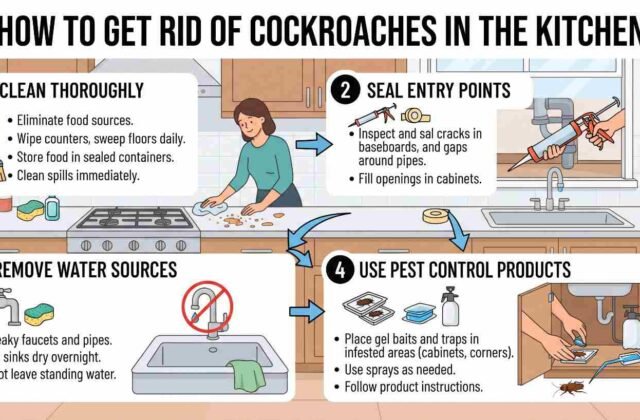
How to Get Rid of Cockroaches in the Kitchen
Get rid of cockroaches in the kitchen with a proven 30-day plan: deep cleaning, gel baits, boric acid and sealing…
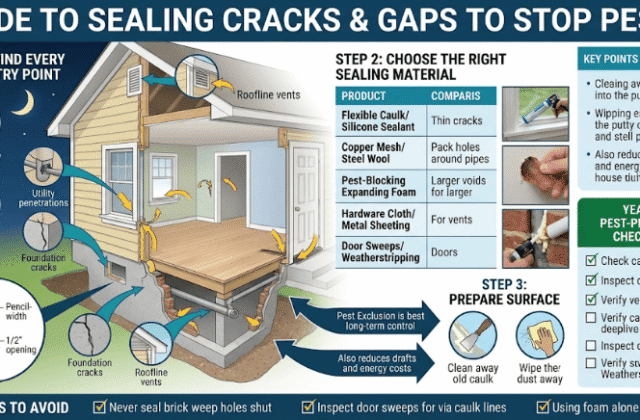
How to Seal Cracks and Gaps to Stop Pests
Learn how to seal cracks and gaps to stop pests entering your home. Find entry points, pick the right sealant,…
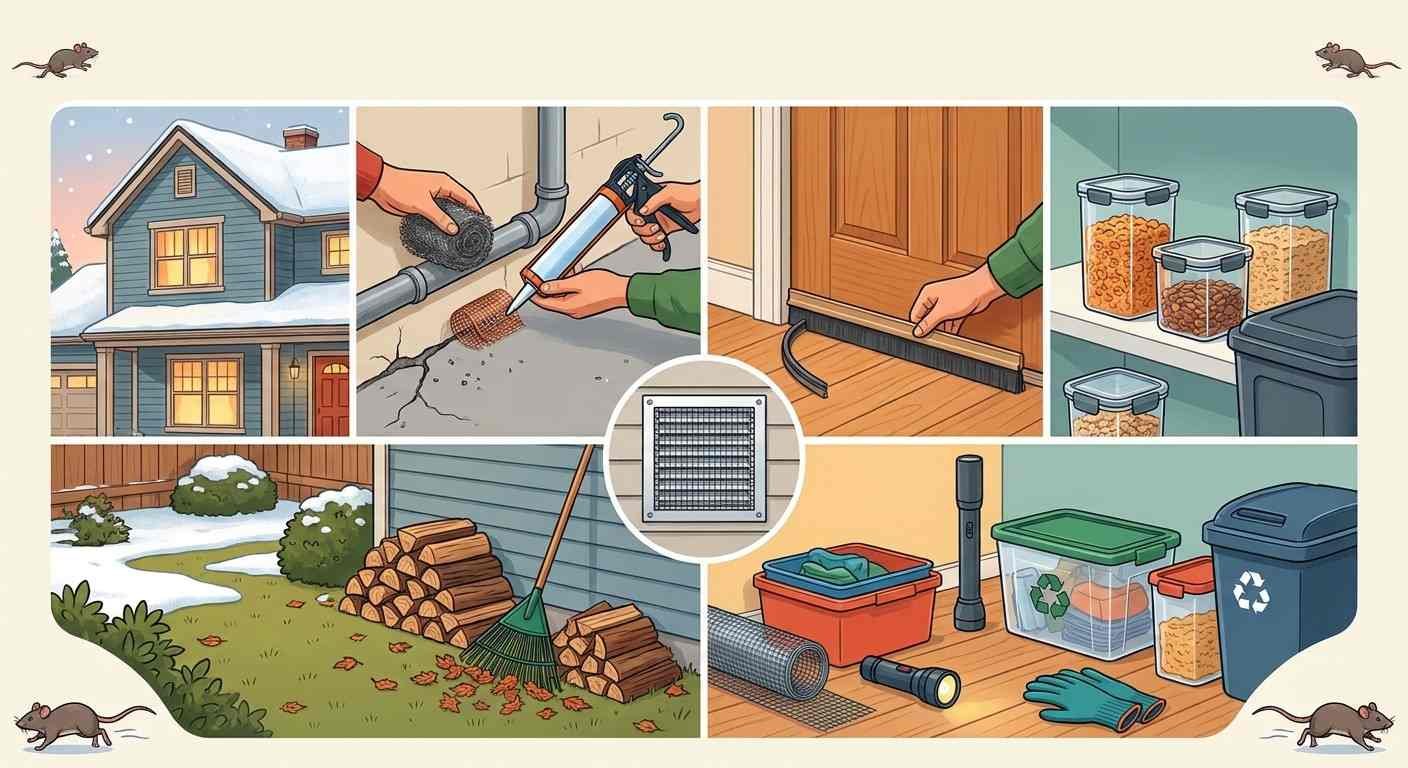
How to Keep Mice Out This Winter
Learn how to keep mice out this winter. Seal entry points, store food safely, fix your yard and spot early…