Best Thermostat Temperature to Save Electricity in Winter & Summer (Plus 7 Hacks)
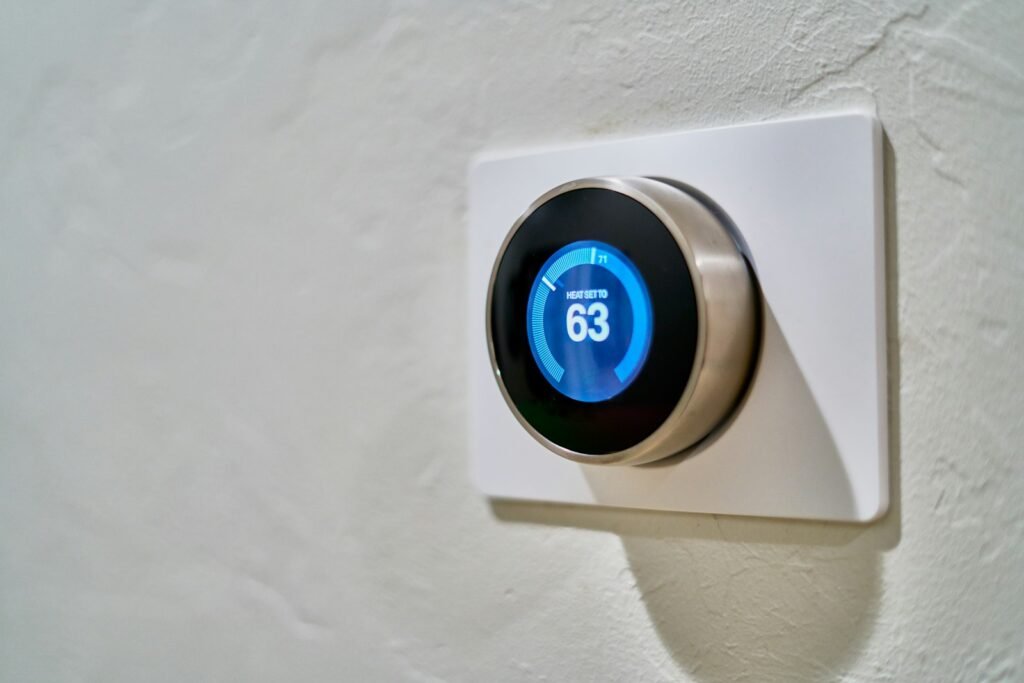
A thermostat set just 1°C too high can quietly add up to 10% to your heating bill, every single month of winter. The fix is free and takes about ten seconds.
Quick Answer: The best thermostat temperature to save electricity is 19–20°C (66–68°F) in winter and 24–26°C (75–78°F) for AC in summer. Drop boiler heating about 3–4°C (5–7°F) while you sleep or are away, and raise AC a few degrees. Each 1°C change can trim roughly 4–10% off heating costs.
Best Thermostat Settings: Master Quick Reference Table
Use this table as a starting point. Then adjust by 1 degree at a time until it feels right for your home.
| Situation / System | Ideal Temp (°C) | Ideal Temp (°F) | Energy Saving Impact |
|---|---|---|---|
| Winter day (boiler) | 19–20°C | 66–68°F | Each 1°C lower saves around £90–£105 a year in a typical UK home |
| Winter night (boiler) | 16–18°C | 61–64°F | Cuts heating for 7–8 hours while you sleep |
| Summer AC (at home) | 24–26°C | 75–78°F | Far cheaper than running AC at 18–20°C (64–68°F) |
| Summer AC (asleep or away) | 27–29°C | 80–85°F | AC runs much less while nobody needs it |
| Heat pump | 19–21°C, drop only 1–2°C at night | 66–70°F, drop only 2–4°F | Steady running keeps it at top efficiency |
| Underfloor heating | 19–21°C, drop only 1–2°C at night | 66–70°F, drop only 2–4°F | Avoids a slow, costly reheat in the morning |
| Away / holiday (winter) | 12–14°C | 54–57°F | Big saving while still guarding against frozen pipes and damp |
What Is the Best Thermostat Temperature in Winter?
The best thermostat temperature in winter is 19–20°C (66–68°F) when you are at home and awake.
That range keeps most healthy adults comfortable in normal indoor clothes. Many UK homes sit at 21–22°C (70–72°F), which costs more than most people realise.
The Energy Saving Trust says that turning a thermostat down by 1 degree, from 22°C to 21°C, could save about £105 a year. Different studies put the saving at roughly 4–10% of your heating bill for each degree.
Do not go too low, though. UK health advice is to keep the rooms you use at at least 18°C (64°F), especially if you are over 65 or have a health condition.
What Is the Best Thermostat Temperature in Summer (For AC)?
The best AC thermostat temperature in summer is 24–26°C (75–78°F) while you are at home.
The US Energy Star programme suggests 78°F (about 26°C) when you are home, 82°F (about 28°C) when you sleep and 85°F (about 29°C) when you are out. That may sound warm, but a fan makes it feel much cooler.
Setting your AC to 18°C (64°F) is one of the most common ways to waste electricity. The bigger the gap between inside and outside, the harder and longer your AC has to run. For more summer tips, read how to stay cool without a high electricity bill.

How Should You Set a Thermostat for Boilers vs. Heat Pumps vs. Underfloor Heating?
Boilers can take a bigger night-time drop, but heat pumps and underfloor heating work best with only a small 1–2°C (2–4°F) drop.
Gas or Oil Boilers
A boiler heats up fast. That means you can safely drop to around 16°C (61°F) at night and warm back up in the morning. A cooler house loses heat more slowly, so you save energy while it sits at the lower setting.
Heat Pumps
Heat pumps like to run “low and slow”. If you drop the temperature a lot at night, the heat pump has to work very hard in the morning. Some systems then switch on electric backup heaters, which cost far more to run. Keep the night drop to just 1–2°C, or follow your installer’s settings.
Underfloor Heating
Underfloor heating warms a thick floor, so it takes hours to heat up and cool down. A big drop at night means a long, costly reheat. A small 1–2°C drop is usually the sweet spot.
What Is the Ideal Room-by-Room Temperature?
The ideal temperature changes by room, because you use each room in a different way.
- Living room: 19–20°C (66–68°F) — where you sit still the most.
- Bedroom: 16–18°C (61–64°F) — cooler air helps most people sleep. Keep it at 18°C (64°F) or above for babies, older people or anyone unwell.
- Bathroom: 21–22°C (70–72°F) — you are wet and undressed, so a little extra warmth helps.
- Hallways and landings: 15–16°C (59–61°F) — you only walk through them.
Radiator valves (TRVs) make this easy. You can set each room to its own level without touching the main thermostat.
Does Turning the Thermostat Higher Heat Your Home Faster?
No, turning the thermostat higher does not heat your home any faster.
Most heating systems work like a light switch: they are either on or off. Setting 28°C instead of 20°C does not make the boiler work harder. It just keeps running long after the room is warm enough, so you overheat the house and pay for it.
The same goes for AC. The US Department of Energy says setting your AC colder than normal will not cool your home faster. Set the temperature you actually want and let it get there.
7 Practical Thermostat Hacks to Cut Bills
These small changes help your thermostat read the room correctly and run less often. Most cost nothing.
1. Keep Your Thermostat Away From Sunlight and Heat Sources.
A thermostat in direct sun, above a radiator or next to the oven thinks the house is warmer than it is. Then the rest of your home stays cold. A shaded inside wall in your main living area is the best spot.
2. Pre-Heat 30 Minutes Before Waking Up (2 Hours for Underfloor Heating).
Set your timer so the heating starts about 30 minutes before your alarm. Underfloor heating is slower, so give it about 2 hours. You wake up warm, without heating an empty house all night.
3. Use the 1-Degree Weekly Step-Down Trick.
Lower your thermostat by just 1°C (about 2°F) and live with it for a week. Most people stop noticing after a few days. If you are still comfortable, try another degree the next week.
4. Never Drop Below 12°C–14°C on Holiday (Prevents Damp & Mold).
Turning the heating fully off in winter can lead to frozen pipes, condensation and mould. Set it to around 12–14°C (54–57°F) while you are away. Our guide on how to reduce moisture in your home explains why cold homes get damp.
5. Check Batteries and Dust the Sensor Yearly.
Weak batteries can make a wireless thermostat lose its schedule or read wrong. Dust inside the vents can do the same. Swap the batteries and wipe the thermostat gently with a dry cloth once a year, before winter.
6. Pair Ceiling Fans With Your Thermostat.
In summer, a ceiling fan makes the room feel cooler, so you can set the AC about 2°C (4°F) higher. Set the fan to spin anti-clockwise to push air down. In winter, switch it to clockwise on low speed to push warm air off the ceiling.
7. Use Smart Schedules or TRVs for Unused Rooms.
Why heat a spare bedroom nobody uses? Turn its radiator valve down to 2 or 3 instead of fully off, so the room does not get damp. A smart thermostat can also learn your routine and heat only when you are home.

How Can You Check Your Savings?
Take a meter reading at the same time each week, before and after you change the thermostat.
This shows you the real result in your own home, not just an average. Our step-by-step guide on how to read an electricity meter covers digital, dial and smart meters. While you are at it, check your fridge temperature settings too, because your fridge runs 24 hours a day.
Want more ways to cut costs? See why your electricity bill is rising and 12 ways to fix it.
Frequently Asked Questions
What temperature should I set my thermostat at night?
For a boiler, set your thermostat to about 16–18°C (61–64°F) at night. Cooler air helps most people sleep and cuts heating time. If you have a heat pump or underfloor heating, only drop 1–2°C. Keep bedrooms at 18°C or above for babies or older people.
Is it cheaper to leave the heating on low all day?
For most homes with a boiler, no. A house loses heat faster when it is warm, so heating only when needed usually costs less. Heat pumps and underfloor heating are different. They work best when left running steadily at a fairly constant temperature.
How much money does lowering the thermostat by 1 degree save?
The Energy Saving Trust estimates that turning your thermostat down by 1°C could save a typical UK home about £90–£105 a year. That is roughly 4–10% of your heating bill. The exact amount depends on your home’s size, insulation and energy prices.
What is the best AC temperature to save electricity while sleeping?
Set your AC to about 26–28°C (78–82°F) while you sleep. Use a ceiling or pedestal fan to stay comfortable. The higher setting means the AC runs less through the night, and the moving air from the fan makes the room feel several degrees cooler.
Where is the best place to put a thermostat in a house?
Put your thermostat on an inside wall in your main living area, about 1.5 metres (5 feet) off the floor. Keep it away from sunlight, radiators, the kitchen, doors and draughty windows. These spots give false readings and make your heating run too much or too little.
The Bottom Line
Aim for 19–20°C (66–68°F) in winter and 24–26°C (75–78°F) in summer, with small drops at night. Turn your thermostat down by just 1 degree today, check how it feels for a week, and watch your next bill.

Muhammad Amjad Butt
Founder of HomeKiTips
Muhammad Amjad Butt is the founder of HomeKiTips. He writes practical guides on home repair, maintenance, cleaning and decor. Each guide is built from manufacturer instructions, building standards and current cost data, then turned into clear steps that anyone can follow. For structural work, he always recommends a qualified tradesperson.
You may also like
Best Fridge Temperature to Save Electricity (Plus 7 Easy Hacks)
Find the best fridge temperature to save electricity: 4°C fridge, -18°C freezer. See what dial 1–7 means and try 7…

How to Reduce Moisture in Your Home
Learn how to reduce moisture in your home to stop hidden leaks, cockroaches and dust mites, with safe humidity levels…
How to Find a Hidden Water Leak at Home
Find a hidden water leak at home with 5 simple tests: water meter, toilet dye, bill check, sounds and room…
Questions and tips from readers (2)