Fall Garden Checklist: Prep for Winter
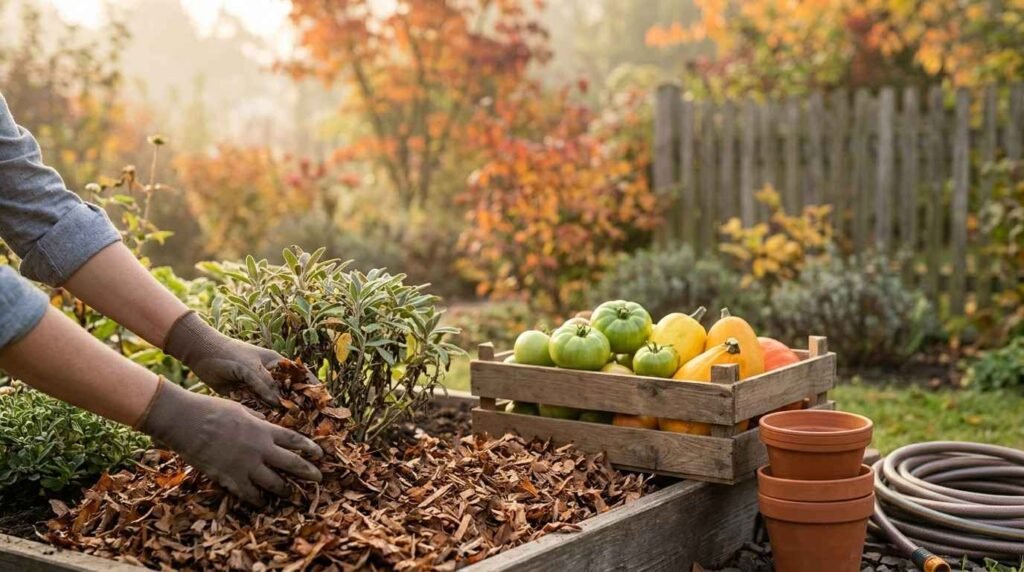
A good fall garden checklist is the difference between a garden that wakes up strong in spring and one that greets you with split pots, frozen hoses, and dead perennials. The work isn’t hard, but the timing matters. This guide breaks fall garden tasks into three simple stages so you know exactly what to do, and when, to prep your garden for winter.
Quick answer: To prepare your garden for winter, harvest tender crops, plant spring bulbs, divide crowded perennials, water deeply until the ground freezes, drain hoses and irrigation lines, bring tender plants indoors, clean up only diseased debris, add mulch after the soil gets cold, and clean your tools before storing them.
Frost vs. Hard Freeze: Know Your Deadline
Your whole fall garden checklist runs on one date: your area’s average first frost. Look it up using your postcode or city on a local weather or extension service site, then count backward.
- Light frost: around 0°C (32°F). Kills tender annuals, basil, and tomato leaves, but many plants survive.
- Hard freeze: about -2°C (28°F) or lower for several hours. This ends most of the growing season and freezes water in pipes and hoses.
Low spots, open ground, and gardens without nearby walls or trees often get frost earlier than the official forecast. Treat the average date as a guide and watch the 10-day forecast closely once nights drop below 7°C (45°F).
Stage 1: 6 to 8 Weeks Before the First Frost
This is your planting and planning window. The soil is still warm, the air is cool, and roots grow fast without the stress of summer heat.
1. Walk the Garden and Take Notes
Before anything fades, write down or photograph what thrived, what struggled, and which spots stayed soggy or too shady. These notes make next year’s planning far easier and help you plan crop rotation in the vegetable patch.
2. Test Your Soil
Fall is the best time for a soil test. If your soil needs lime or sulfur to adjust pH, adding it now gives it months to work before spring planting.
3. Plant Trees, Shrubs, and Perennials
Fall planting gives roots a head start. Water new plants deeply once or twice a week until the ground freezes, since cool weather doesn’t mean they need less moisture at the root.
4. Divide Crowded Perennials
Split overgrown clumps of hostas, daylilies, irises, and similar perennials at least four weeks before the ground freezes. Replant the divisions at the same depth, water them well, and label them.
5. Plant Spring-Flowering Bulbs
Tulips, daffodils, crocus, hyacinths, and alliums need a cold period to bloom. Plant them once the soil cools, at a depth of about two to three times the bulb’s height, pointed end up. Plant in groups of 7 to 15 for a fuller display, and use wire mesh if squirrels are a problem.
6. Sow a Cover Crop in Empty Beds
Instead of leaving vegetable beds bare, sow winter rye, crimson clover, or field peas. Cover crops hold soil in place during winter rain, block weeds, and add organic matter when you turn them in next spring.
Stage 2: 1 to 3 Weeks Before the First Frost
Now the focus shifts from growing to protecting. These fall garden tasks save plants, pots, and equipment.
7. Harvest Tender Vegetables
Pick tomatoes, peppers, beans, squash, cucumbers, and basil before frost. Green tomatoes will often ripen indoors on a counter. Leave cold-hardy crops like kale, carrots, leeks, cabbage, and spinach in the ground, since a light frost can actually make them taste sweeter.
8. Bring Tender Plants Indoors
Many houseplants and tropicals get damaged well before freezing, often when nights fall below about 10°C (50°F). Before you bring them in:
- Check under leaves and in the soil for aphids, mealybugs, scale, and spider mites.
- Rinse the foliage and remove dead leaves.
- Keep them apart from your other houseplants for about two weeks.
9. Overwinter Container Plants
Terra-cotta and ceramic pots can crack when wet soil freezes and expands. Empty pots you won’t use, scrub them with a mild bleach solution, let them dry, and store them under cover. Hardy plants that stay outside in large pots should be grouped together against a wall and raised on pot feet so water drains away.
10. Lift Tender Bulbs
In cold regions, dahlias, cannas, gladiolus, and caladiums won’t survive frozen ground. After the first frost blackens the foliage, dig them up, let them dry, and store them in a cool, dark, frost-free place in peat, sawdust, or paper bags.
11. Keep Frost Covers Ready
For a surprise early frost, cover tender plants with frost cloth or old bedsheets in the late afternoon so they trap the soil’s warmth. Water the soil earlier in the day, because moist soil holds heat better than dry soil. Remove covers the next morning.
Stage 3: After the First Hard Freeze
Once the season is clearly over, it’s time to put the garden to bed properly.
12. Clean Up With a Purpose, Not a Rake Frenzy
A spotless garden is not a healthy garden. Use this simple rule for garden cleanup before winter:
- Remove: diseased leaves, blighted tomato plants, rotting fruit, and weeds that have gone to seed. Bin or burn this material and don’t compost it.
- Cut back: soft perennials that turn mushy, like hostas, peonies, daylilies, and bee balm.
- Leave standing: coneflowers, black-eyed Susans, sedum, ornamental grasses, and woody herbs like lavender. Their seed heads feed birds and their stems shelter helpful insects through winter.
13. Use Fallen Leaves as Free Mulch
Don’t bag your leaves. Run a mower over them and leave a thin layer on the lawn, add them to the compost pile, or pile shredded leaves on beds. Just don’t let thick, wet mats sit on grass for weeks.
14. Mulch Beds After the Ground Gets Cold
In cold climates, wait until the top layer of soil starts to freeze, then spread 5 to 8 cm (2 to 3 inches) of shredded leaves, straw, or bark. Mulch applied too early keeps the soil warm and can trigger soft new growth. Keep mulch a few centimetres away from tree trunks and plant crowns to avoid rot.
15. Winterize Hoses, Irrigation, and Tools
- Disconnect, drain, and coil hoses, then store them indoors.
- Shut off outdoor taps from inside the house and drain the lines.
- Blow out or drain drip and sprinkler systems.
- Clean soil off tools, dry them, sharpen pruner and shovel blades, and wipe metal parts with a light coat of oil to stop rust.
Printable Fall Garden Checklist
| When | Task | Why It Matters |
|---|---|---|
| 6–8 weeks before frost | Soil test, plant shrubs and perennials, divide clumps | Roots establish in warm soil |
| 6–8 weeks before frost | Plant spring bulbs and cover crops | Bulbs need cold; cover crops protect soil |
| 1–3 weeks before frost | Harvest tender crops, bring plants indoors | Prevents cold damage |
| 1–3 weeks before frost | Empty and store pots, lift tender bulbs | Stops cracking and rot |
| After hard freeze | Remove diseased debris, leave healthy seed heads | Less disease, more wildlife |
| After hard freeze | Mulch beds, drain hoses, clean tools | Protects roots and equipment |
Common Fall Garden Mistakes to Avoid
- Fertilizing with nitrogen late in the season. It pushes tender new growth that winter will kill. Skip it on perennials and shrubs; use only a slow-release fall feed on lawns.
- Heavy pruning of spring bloomers. Lilacs, forsythia, and azaleas already have next year’s flower buds. Prune them after they bloom.
- Stopping water too soon. Evergreens lose moisture all winter. Water them deeply in dry autumns until the ground freezes.
- Composting diseased plants. Most home compost piles don’t get hot enough to kill blight and mildew spores.
Adjust the Checklist for Your Climate
- Cold winters (long freezes, heavy snow): Start early, water evergreens well, use thicker mulch, and wrap young tree trunks against sunscald and rodents.
- Mild winters (rare frost): Focus on cool-season vegetables, weed control, and planting. Many perennials can stay in the ground all year.
- Wet winters: Prioritize drainage, avoid walking on soggy beds, and use raised beds where water pools.
- Southern Hemisphere: Fall runs from March to May, so follow the same stages, just in different months.
Frequently Asked Questions
When should I start my fall garden checklist?
Start about 6 to 8 weeks before your area’s average first frost date. That leaves time for planting and dividing, then protecting plants as the cold arrives.
Should I cut back all perennials in fall?
No. Cut back diseased or mushy plants, but leave sturdy stems and seed heads standing until spring. They feed birds, shelter beneficial insects, and add winter interest.
Is it too late to plant bulbs after the first frost?
Not usually. You can plant spring bulbs until the ground freezes solid, as long as you can still dig.
Should I leave leaves on my garden beds?
Yes, shredded leaves make excellent free mulch for beds. Avoid thick wet layers on the lawn, as they can smother grass.
Do I need to water my garden in fall?
Yes, especially new plantings and evergreens. Give about 2.5 cm (1 inch) of water per week during dry spells until the soil freezes.
What is the most important thing to do before winter?
Drain hoses and outdoor water lines. A single hard freeze can burst pipes, hose fittings, and irrigation parts, which is the most expensive mistake to fix.
Final Thoughts
Winter garden prep doesn’t have to happen in one exhausting weekend. Follow this fall garden checklist in three stages, plant and plan early, protect as the frost gets close, and clean up wisely after the hard freeze. A few hours of work now means healthier soil, stronger plants, and far less to fix when spring returns.

Muhammad Amjad Butt
Founder of HomeKiTips
Muhammad Amjad Butt is the founder of HomeKiTips. He writes practical guides on home repair, maintenance, cleaning and decor. Each guide is built from manufacturer instructions, building standards and current cost data, then turned into clear steps that anyone can follow. For structural work, he always recommends a qualified tradesperson.
You may also like
Small Balcony Garden Ideas for Apartments: Zone-by-Zone Guide
Small balcony garden ideas for apartments, sorted by zone: railing, wall, ceiling and corner. Includes a sunlight test, 3 starter…
How to Bring Potted Plants Indoors for Winter (Safely)
Bring potted plants indoors for winter the right way. Learn the 50°F rule, a pest check, a 14-day acclimation plan…
Do Spider Plants Like to Be Root Bound? (When to Repot and When to Wait)
Spider plants tolerate being root bound and often thrive snug. Learn the signs it is time to repot, healthy vs…
Questions and tips from readers (2)