Fall Pests Invading Your Home: How to Stop Them
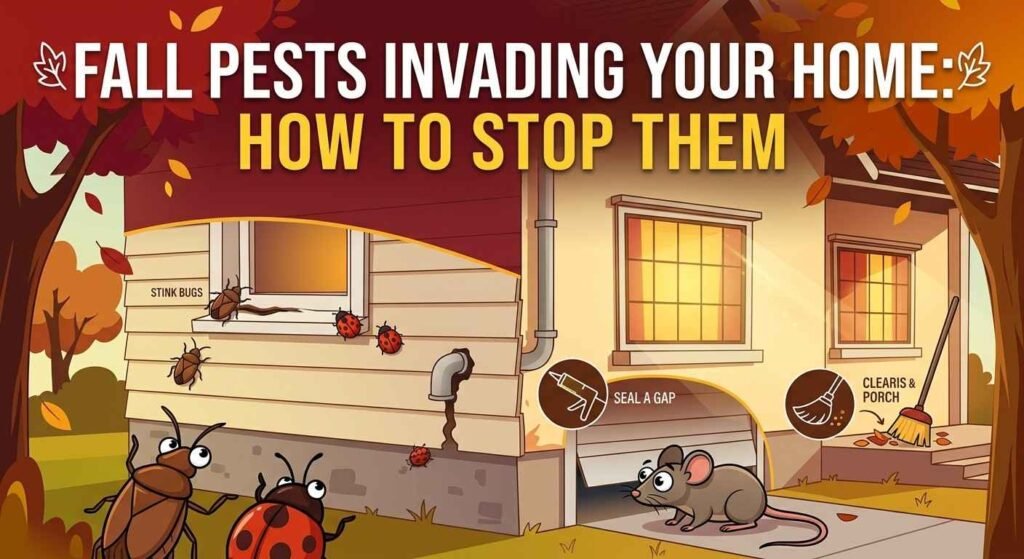
As the nights turn cool and the leaves start to fall, your home becomes the warmest, driest shelter in the neighborhood. That is exactly why fall pests start showing up on windowsills, in attics and behind the fridge. Stink bugs, Asian lady beetles, boxelder bugs, cluster flies, spiders and mice all look for a cozy place to wait out the winter, and many of them choose a house.
The good news is that most fall invaders can be kept out with a few weekend jobs and some smart habits. This guide explains why pests move indoors in autumn, which ones to watch for, and exactly how to stop them before they settle in.
Quick answer: To stop fall pests from invading your home, seal cracks and gaps on the outside walls, fix door sweeps and window screens, clear leaves and mulch away from the foundation, reduce moisture, and store food and firewood properly. Do this in late summer or early fall, before pests start looking for winter shelter.
Why Do Pests Invade Homes in the Fall?
Pests come inside in autumn for three simple reasons: warmth, shelter and food. When nighttime temperatures drop, insects and rodents sense that winter is coming and start searching for protected spots.
Fall pests fall into two main groups:
- Overwintering pests, such as stink bugs, lady beetles, boxelder bugs and cluster flies. They do not want your food. They simply want a quiet, protected place to sleep through winter, usually inside wall voids, attics and window frames.
- Active pests, such as mice, rats, spiders, cockroaches and centipedes. They stay active indoors and look for food, water and nesting spots all winter long.
You will often notice insects gathering on the south- and west-facing walls of your home. These sides soak up afternoon sun, and the warmth attracts bugs looking for an entry point. If you see a crowd of beetles sunbathing on your siding, gaps nearby are probably letting them in.
Common Fall Pests to Watch For
Knowing which pest you are dealing with helps you choose the right fix. Here are the most common fall invaders in homes around the world.
| Pest | How to Spot It | Is It Harmful? |
|---|---|---|
| Stink bugs | Brown, shield-shaped bugs that release a strong smell when disturbed | Harmless to people, but smelly and annoying |
| Asian lady beetles | Orange to red beetles with an “M” or “W” mark behind the head | Can pinch lightly and leave yellow stains |
| Boxelder bugs | Black bugs with red-orange lines, often in large groups | Nuisance only; they rarely bite and do not breed indoors |
| Cluster flies | Slow, sluggish flies buzzing at upstairs windows and in attics | Nuisance; dead flies can attract other insects |
| Spiders | Webs in corners, basements, garages and window frames | Mostly harmless; a few species are venomous |
| House centipedes | Fast, many-legged pests in damp basements and bathrooms | Rarely bite; a sign of moisture and other insects |
| Mice and rats | Droppings, gnaw marks, greasy rub marks, scratching in walls at night | Yes: they spread germs, chew wires and contaminate food |
When Do Fall Pests Come Inside?
Timing matters, because pest-proofing works best before pests move in. Here is a general timeline for the Northern Hemisphere:
- Late August to September: Cluster flies and stink bugs begin looking for shelter. Wasps become more aggressive as their food runs low.
- October: This is peak season for lady beetles and boxelder bugs, especially on warm, sunny afternoons after a cold night.
- November onward: Mice and rats push indoors as the real cold arrives.
If you live in the Southern Hemisphere, such as Australia, South Africa or South America, the same pattern happens in autumn, from about March to May.
12 Ways to Stop Fall Pests From Invading Your Home
1. Inspect Your Home’s Exterior on a Sunny Afternoon
Walk around your house on a warm fall afternoon and watch where insects gather. Bugs crowding around a window corner, vent or roofline are pointing you straight to the gaps you need to seal. Take photos and make a quick repair list.
2. Seal Cracks, Gaps and Utility Openings
Use exterior-grade silicone or polyurethane caulk to seal cracks around windows, door frames, siding joints and the foundation. Pay special attention to spots where pipes, cables and air conditioner lines enter the house. For holes that mice might use, stuff in copper mesh or steel wool first, then seal over it. A young mouse can squeeze through a gap about the width of a pencil.
3. Upgrade Door Sweeps and Weatherstripping
If you can see daylight under a closed door, pests can get in. Install door sweeps on exterior doors, replace cracked weatherstripping, and check the rubber seal at the bottom of your garage door. This step also keeps cold drafts out and lowers your heating bill.
4. Repair Screens and Cover Vents
Patch torn window screens and fit fine mesh over attic vents, soffit vents and crawl space openings. Add a cap to your chimney. These openings are the main highways for cluster flies, lady beetles and even bats or squirrels.
5. Clear the “Bug Zone” Around Your Foundation
The first half-meter (about 18 inches) around your house should be as bare as possible. Rake up fallen leaves, pull mulch back from the walls, and keep mulch layers thin. Clean clogged gutters too, because wet leaves create a perfect hiding spot for insects right next to your roof.
6. Trim Trees and Shrubs
Branches touching your roof or walls act like bridges for ants, spiders and rodents. Trim shrubs so there is a clear gap between plants and your home. If boxelder bugs return every year, check whether a boxelder or maple tree near the house is their main food source.
7. Fix Moisture Problems
Centipedes, cockroaches and silverfish love dampness. Fix leaking taps and pipes, point downspouts away from the foundation, and run a dehumidifier in basements and crawl spaces. Aim to keep indoor humidity around 50% or lower.
8. Be Careful With Firewood and Fall Decor
Firewood stacks are full of overwintering insects. Store wood off the ground and well away from your walls, and bring in only what you will burn that day. The same goes for seasonal decorations. Pumpkins, gourds, straw bales and corn stalks placed against the house can attract pests. When you bring stored decoration boxes in from the garage or shed, open and shake them outside first.
9. Change Your Outdoor Lighting
Bright white lights near doors attract flying insects, which then attract spiders. Switch to warm yellow LED bulbs, which draw fewer bugs, and use motion-sensor lights so they are not glowing all night.
10. Lock Down Food Sources
Mice and cockroaches follow the food. Store pantry items, pet food and birdseed in airtight containers. Do not leave pet bowls out overnight, wipe kitchen counters after meals, and keep trash bins tightly closed.
11. Use Targeted, Low-Toxic Treatments
Prevention should always come first, but some extra help is fine:
- Outdoor perimeter spray: If you use insecticide, apply it only outside, around the foundation, windows and doors, and always follow the label.
- Food-grade diatomaceous earth: A natural powder that dries out crawling insects. Dust it lightly in dry cracks and corners.
- Sticky traps: These help you monitor spiders and crawling insects in basements and garages.
- Snap traps: These work well for mice. If you have children or pets, place them inside tamper-resistant bait stations.
12. Make Fall Pest-Proofing a Yearly Habit
Set a reminder for late August or early September every year. A 30-minute inspection and a tube of caulk now can save you months of dealing with pests later.
What to Do If Fall Pests Are Already Inside
Found bugs inside already? Do not panic. Here is how to handle them safely.
- Vacuum, don’t squash. Crushing stink bugs releases their smell, and crushing lady beetles leaves yellow stains. Use a vacuum instead. A nylon stocking tucked inside the vacuum hose catches the bugs so you can tie it off and throw them away without stinking up your vacuum.
- Don’t spray inside walls. Killing hundreds of bugs inside wall voids leaves dead insects behind, which can attract carpet beetles and other pests.
- Trap mice quickly. Place snap traps along walls, where mice travel, and bait them with a small dab of peanut butter.
- Clean droppings safely. Never sweep or vacuum mouse droppings dry. Wear gloves, spray the area with a disinfectant or bleach solution, wait a few minutes, then wipe it up with paper towels.
Common Mistakes to Avoid
- Waiting until pests are already inside before sealing gaps.
- Sealing gaps from the inside only, which can trap bugs in your walls.
- Using indoor foggers (“bug bombs”), which rarely reach pests hidden inside walls.
- Stacking firewood, leaves or decor right against the house.
- Ignoring small signs, such as a few droppings in the pantry.
When to Call a Pest Professional
DIY prevention handles most fall invaders, but call a licensed pest control professional if:
- You see mouse or rat droppings in several rooms.
- You hear scratching or movement inside walls or ceilings.
- Bugs keep appearing in large numbers even after sealing.
- You suspect venomous spiders, wasps nesting in walls, or termites.
Frequently Asked Questions
What are the most common fall pests?
The most common fall pests are stink bugs, Asian lady beetles, boxelder bugs, cluster flies, spiders, house centipedes, mice and rats. Most of them come inside to escape the cold.
Why do I see more bugs in my house in the fall?
Cooler nights trigger insects to look for winter shelter. Your home’s warm walls, attic and gaps around windows make an ideal hiding spot.
How do I keep bugs out of my house naturally?
Seal cracks with caulk, fix screens and door sweeps, reduce moisture, clear leaves away from the foundation, and use food-grade diatomaceous earth in dry corners. Vacuuming is the safest way to remove bugs that are already inside.
Do fall pests lay eggs inside the house?
Stink bugs, lady beetles and boxelder bugs usually do not breed indoors. They simply hibernate. Mice, cockroaches, spiders and centipedes, however, can breed inside your home.
Will fall pests leave on their own in spring?
Overwintering insects often try to leave when spring warms up, but many get lost inside your home instead. Mice will not leave on their own, so they need to be trapped.
When should I start pest-proofing for fall?
Start in late summer or early fall, before nights turn cold. In the Northern Hemisphere that means late August to September; in the Southern Hemisphere it means February to March.
Final Thoughts
Fall pests are a yearly guest you do not have to welcome. Seal the gaps, keep moisture and food under control, clear the area around your foundation, and act early in the season. A little effort now keeps your home warm, clean and pest-free all winter long.

Muhammad Amjad Butt
Founder of HomeKiTips
Muhammad Amjad Butt is the founder of HomeKiTips. He writes practical guides on home repair, maintenance, cleaning and decor. Each guide is built from manufacturer instructions, building standards and current cost data, then turned into clear steps that anyone can follow. For structural work, he always recommends a qualified tradesperson.
You may also like

How to Get Rid of Pantry Moths in Flour Containers Naturally (Fast & Safe)
Found tiny moths or webbing in your flour? Learn how to get rid of pantry moths in flour containers naturally…
How to Get Rid of Cockroaches in the Kitchen
Get rid of cockroaches in the kitchen with a proven 30-day plan: deep cleaning, gel baits, boric acid and sealing…
How to Seal Cracks and Gaps to Stop Pests
Learn how to seal cracks and gaps to stop pests entering your home. Find entry points, pick the right sealant,…
Questions and tips from readers (2)