Halloween Safety Tips for Kids
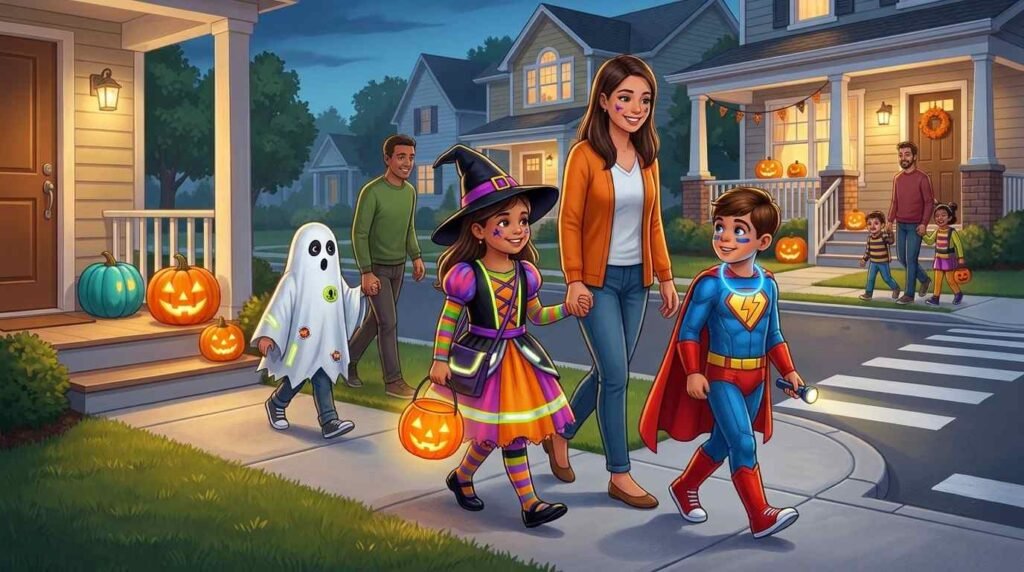
Halloween is one of the most exciting nights of the year for children. There are costumes to show off, candy to collect and pumpkins glowing on every porch. But it is also a night when kids are out after dark, crossing streets in excitement and eating treats from strangers. A little planning keeps the fun high and the risks low.
This guide covers the most useful Halloween safety tips for kids, sorted by what matters most: costumes, trick-or-treating, candy, your home and age-specific advice. You will also find a quick checklist at the end that you can save or print.
Why Halloween Safety Matters
The biggest Halloween danger is not spooky decorations or tampered candy. It is traffic. A study published in JAMA Pediatrics found that pedestrian deaths rise by about 43% on Halloween evening compared with nearby nights. Children aged 4 to 8 face the highest jump in risk. Most trick-or-treating happens between roughly 5:30 and 9:30 p.m., when light is fading, drivers are coming home and kids are darting between houses.
The good news is that most Halloween injuries can be prevented with simple habits: being seen, staying together and slowing down.
Halloween Costume Safety Tips
A great costume should look good and be safe to walk, see and breathe in. Before the big night, do a full “test walk” around the house and yard in the complete outfit.
1. Choose the Right Fit
Costumes that drag on the ground are the most common cause of trips and falls. Hem long capes, gowns and pant legs so they sit above the ankle. Make sure hats, wigs and headpieces stay in place and do not slide over the eyes. Have kids wear their own comfortable shoes instead of oversized costume boots or heels.
2. Pick Flame-Resistant Materials
Jack-o’-lanterns and luminaries are everywhere on Halloween. Look for “flame resistant” on the costume label. If you make a costume at home, choose tightly woven fabrics like polyester or nylon. Avoid loose cotton gauze, frills and long trailing pieces that could swing near a flame.
3. Make Kids Easy to See
Dark costumes like ninjas, witches and bats are popular but hard for drivers to spot. Add reflective tape to the front, back and treat bag. Give each child a glow stick bracelet, a light-up necklace or a small flashlight. Bright and light-colored costumes are always the safer choice.
4. Use Face Paint Instead of Masks
Masks often block side vision, which makes it hard for kids to spot cars, curbs and steps. Non-toxic face paint is a safer swap. Test it on a small patch of skin a few days early to check for irritation, and wash it off before bed. Skip decorative contact lenses unless an eye doctor has prescribed them, because they can damage the eyes.
5. Keep Props Soft and Short
Swords, wands, pitchforks and other accessories should be short, flexible and clearly fake. Kids often run or fall with props in hand, so soft foam or rubber tips are best.
Trick-or-Treating Safety Rules
Set the rules before you leave the house, while kids are still listening. Excitement tends to wipe out good intentions once the candy hunt begins.
6. Plan a Safe Trick-or-Treat Route
Choose familiar, well-lit streets with sidewalks. Stay away from busy main roads, unlit areas and parks after dark. Agree on the route and a firm time to be home. Only visit houses with a porch light on, and never go inside a stranger’s home or car for a treat.
7. Follow Street Safety Basics
- Walk on sidewalks. If there is no sidewalk, walk facing traffic on the edge of the road.
- Cross only at corners and crosswalks. Never dash out between parked cars.
- Look left, right and left again, and make eye contact with drivers before crossing.
- Put phones and games away while walking.
- Walk, never run, from house to house.
8. Keep Young Children Supervised
Children under 12 should always trick-or-treat with a parent or trusted adult. Hold hands with little ones near streets. Write your phone number on a card or wristband inside your child’s costume in case you get separated. Also agree on a “meeting spot” if anyone gets lost.
9. Teach a “Trusted Adult” Plan
Instead of focusing only on “stranger danger,” teach kids who they can go to for help. That could be a police officer, a parent with children or a shop worker. Let them know they will never be in trouble for telling you if something made them feel scared or uncomfortable.
Halloween Candy Safety Tips
Candy tampering is extremely rare, but choking hazards and food allergies are real everyday risks.
10. Inspect Treats Before Eating
Ask kids to wait until they get home before eating anything. Then sort the candy together at the kitchen table. Throw away anything that is unwrapped, torn, homemade by someone you don’t know or that looks or smells strange. When in doubt, throw it out.
11. Watch for Choking Hazards
Hard candies, gum, nuts, lollipops and small toys are choking hazards for children under 4. Remove them from toddlers’ buckets and swap in age-appropriate treats.
12. Plan Around Food Allergies
Read labels carefully, since fun-size candies sometimes contain different ingredients than full-size bars. Look for homes with a teal pumpkin on the porch. It is a sign they offer non-food treats like stickers, pencils or glow sticks, which are safe for kids with allergies. Always carry your child’s prescribed allergy medicine during trick-or-treating.
13. Keep Sugar in Check
Serve a filling dinner before heading out so kids are not snacking from their bags on the way. Afterward, let them choose a few favorites each day instead of eating the whole haul at once.
How to Make Your Home Safe for Trick-or-Treaters
Halloween safety is not only about your own kids. Your porch and yard should be safe for every child who visits.
- Light the way: Turn on porch lights and pathway lights, and replace any burnt-out bulbs.
- Clear walkways: Remove garden hoses, wet leaves, loose stones and decorations from paths and steps. Our fall garden checklist can help you tidy the yard before the big night.
- Fix loose railings: Make sure stairs and railings are solid for small hands.
- Go flameless: Use battery-powered LED candles inside jack-o’-lanterns instead of real candles.
- Keep pets inside: Even friendly dogs can get stressed by doorbells and masks. A calm, closed room keeps pets and kids safe.
- Seal out pests: Pumpkins and leftover candy can attract bugs and rodents. Learn how to keep fall pests from invading your home during the season.
Pumpkin Carving Safety
Pumpkin carving causes many Halloween hand cuts every year. Let adults handle all the knife work. Younger children can draw the face with a marker and scoop out the seeds with a spoon. Use carving kits with small, serrated tools rather than sharp kitchen knives, and carve on a dry, stable surface with good lighting.
Halloween Safety Tips by Age
Toddlers and Preschoolers (Ages 1–5)
Keep trips short and early, ideally before full dark. Use strollers or wagons decorated with lights. Avoid glow sticks for babies who may chew them, and remove all small or hard candies from their buckets.
School-Age Kids (Ages 6–11)
Stay with them, but let them lead the way to the door to build confidence. Review the street rules again before leaving and stay close near every crossing.
Tweens and Teens (Ages 12+)
If older kids go out without an adult, make sure they:
- Stay in a group of at least three friends.
- Carry a fully charged phone and share their location with you.
- Check in by text at set times and come home by an agreed curfew.
- Know your house rules about parties, pranks, cars and staying out of strangers’ homes.
Talk through “what if” situations ahead of time, like being offered a ride or alcohol. That way they already know how to respond.
Halloween Party Safety
If your child is attending a party, confirm the address, the adults who will be present and the pick-up time. If you are hosting, keep walkways clear, use flameless decorations, label any foods with common allergens and keep a simple first-aid kit handy. After the party, a quick tidy-up of sticky candy and glitter is easier with our kids’ room cleaning guide.
Think Before You Post Halloween Photos
Costume photos are fun to share, but they can reveal more than you think. Avoid posting pictures that show your house number, street signs, your child’s school name or your real-time location. Share photos after you are back home rather than live during the night. Ask older kids before posting pictures of them.
Quick Halloween Safety Checklist
- ✅ Costume fits well and is flame resistant
- ✅ Reflective tape, glow sticks or a flashlight added
- ✅ Face paint tested (no vision-blocking masks)
- ✅ Props are soft, short and flexible
- ✅ Route, curfew and meeting spot agreed
- ✅ Phone charged and contact info in costume
- ✅ Adult supervision for kids under 12
- ✅ Candy checked at home before eating
- ✅ Allergy medicine packed if needed
- ✅ Porch lit, walkways clear, pets secured
- ✅ LED lights in jack-o’-lanterns
Frequently Asked Questions
What age can kids trick-or-treat alone?
Most experts suggest children under 12 should trick-or-treat with an adult. Older kids can go with a group of friends if they know the route, carry a phone and check in regularly. Maturity matters more than age alone.
What is the safest time to go trick-or-treating?
The safest time is early evening, before it gets fully dark. Traffic and pedestrian risk is highest between about 5:30 and 9:30 p.m., so be extra careful during those hours.
How do I make a dark costume safer?
Add strips of reflective tape to the front and back, carry a flashlight, and use glow sticks or light-up accessories so drivers can see your child from every side.
Should I check my child’s Halloween candy?
Yes. Check all treats at home and throw away anything unwrapped, opened, homemade by strangers or unfamiliar. Remove choking hazards for children under 4 and read labels for allergens.
What does a teal pumpkin mean on Halloween?
A teal pumpkin means the home offers non-food treats, such as small toys or stickers, so children with food allergies can join in the fun safely.
Final Thoughts
Halloween should be about fun, not worry. With well-fitted, visible costumes, clear street rules, a quick candy check and a safe, well-lit home, you can relax and enjoy the night with your little ghosts and superheroes. Save the checklist above, go over the rules together before heading out and have a happy, safe Halloween!

Muhammad Amjad Butt
Founder of HomeKiTips
Muhammad Amjad Butt is the founder of HomeKiTips. He writes practical guides on home repair, maintenance, cleaning and decor. Each guide is built from manufacturer instructions, building standards and current cost data, then turned into clear steps that anyone can follow. For structural work, he always recommends a qualified tradesperson.
You may also like

How to Childproof Sharp Brick Hearth Edges Without Drilling
Worried about toddlers falling on sharp fireplace bricks? Learn how to childproof sharp brick hearth edges without drilling using heat-safe…
How to Make a Bathroom Slip-Proof for Seniors Without Remodeling
Learn how to make a bathroom slip-proof for seniors without remodeling. Discover budget-friendly anti-slip tile sprays, zero-drill grab bars, dark…

How to Prevent Falls at Home for Seniors
Learn how to prevent falls at home for seniors with a room-by-room checklist, CDC-backed numbers, simple balance tests and a…
Questions and tips from readers (1)