How to Fix a Leaky Faucet: Identify Your Type, Then Fix It
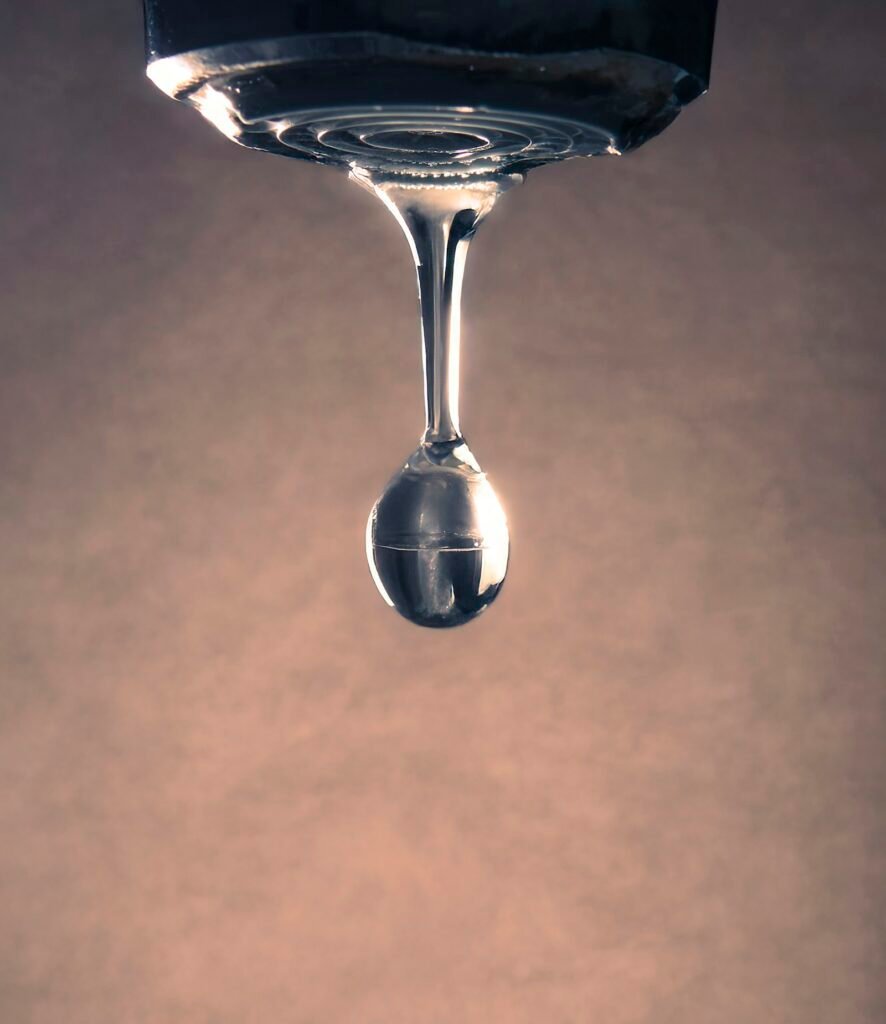
Quick answer: To fix a leaky faucet, first find out which of the four faucet types you have: compression, cartridge, ball, or ceramic disc. Turn off the water under the sink, take off the handle, and replace the worn part inside. That is a washer for compression faucets, O-rings or a cartridge for cartridge faucets, a seal kit for ball faucets, and the disc cylinder for ceramic disc faucets. With the right part, most repairs take about an hour.
Most guides start with the tools. We start with the faucet type, because buying the wrong part is the number one reason a DIY faucet fix fails. Use the ID chart below, then jump to your faucet.

Why a Small Drip Is Worth Fixing Today
A drip looks harmless. But the EPA’s WaterSense program says the average home’s leaks can waste more than 9,300 gallons of water a year, and dripping faucets are one of the most common causes. The EPA has also said a faucet that drips once per second can waste more than 3,000 gallons a year.
The good news: faucet leaks are usually cheap and easy to fix once you know what is inside.
Step 1: Identify Your Faucet Type (ID Chart)
| Faucet type | How to spot it | What usually wears out | DIY difficulty |
|---|---|---|---|
| Compression | Two handles (hot and cold). You twist them several turns and tighten hard to stop the water. | Rubber washer, O-ring, valve seat | Easy |
| Cartridge | One or two handles that turn smoothly with no squeeze at the end. | O-rings or the whole cartridge | Easy |
| Ball | One handle sitting on a round, dome-shaped cap. Common in kitchens. | Springs, seats, O-rings, cam seal | Medium (many small parts) |
| Ceramic disc | One lever over a wide, round cylinder body. | Seals or the disc cylinder | Easy to medium |
This simple test comes from repair site iFixit: two-handle faucets are usually cartridge or compression, and one-handle faucets are usually disc or ball. A disc faucet has a cylinder under the handle, while a ball faucet has a round joint.
Step 2: Where Is It Leaking?
The leak spot tells you which part to replace:
- Drip from the spout: worn washer, seat, cartridge, or disc seals.
- Water around the handle: worn O-ring or a loose packing nut.
- Water at the base of the spout: worn O-rings on the spout body (common on ball and cartridge kitchen faucets).
- Water under the sink: not the faucet at all. Check the supply lines and connections. Our guide on how to find a hidden water leak at home can help.
Step 3: Prep (Same for Every Faucet)
- Turn off both shut-off valves under the sink. Open the faucet to drain the water left in the line.
- Close the drain or cover it with a rag so tiny screws don’t fall in.
- Lay a towel in the sink. Line up parts in the order you remove them. Take phone photos as you go.
- Have ready: adjustable wrench, flat and Phillips screwdrivers, Allen keys, needle-nose pliers, plumber’s grease, and white vinegar.
Pro tip: Take the old part with you to the hardware store. Faucet parts look alike but are often brand-specific.

Fix #1: Compression Faucet (Two Twist Handles)
This is the oldest design and the easiest to repair. The leak is almost always a flat rubber washer that has hardened or cracked.
- Pop off the decorative cap and remove the handle screw. Pull off the handle.
- Use a wrench to loosen the packing nut and unscrew the stem.
- At the bottom of the stem, remove the brass screw and the old washer.
- Fit a new washer of the exact same size. Replace the O-ring on the stem too.
- Look into the faucet body at the valve seat. If it feels rough, smooth it with a seat-dressing tool or replace the seat.
- Rub a little plumber’s grease on the new O-ring, put everything back, and turn the water on slowly.
Fix #2: Cartridge Faucet (Smooth-Turning Handle)
- Remove the handle cap, screw, and handle.
- Pull out the retaining clip or nut that holds the cartridge. Needle-nose pliers help here.
- Note which way the cartridge faces, then pull it straight up.
- If only the O-rings are worn, replace them and grease them lightly.
- If the cartridge is cracked or still leaks, replace the whole cartridge. Match its length and the stem end.
- Put the cartridge back facing the same way. Otherwise hot and cold will swap.
Fix #3: Ball Faucet (Single Handle on a Dome)
Ball faucets have the most small parts, so they leak in more places. The smart move is to buy a complete repair kit for your faucet brand and replace everything at once.
- Loosen the set screw under the handle and lift the handle off.
- Unscrew the dome cap with a wrench (wrap it in tape to avoid scratches).
- Lift out the cam, cam washer, and the ball.
- With a small screwdriver, pull out the rubber seats and springs inside the faucet body.
- Install the new springs and seats, then the ball, cam, and cap.
- If water leaked at the spout base, pull off the spout and replace its O-rings too.

Fix #4: Ceramic Disc Faucet (Lever Over a Cylinder)
Ceramic discs are tough and rarely wear out. Leaks usually come from dirty or worn rubber seals under the cylinder.
- Push the lever back to find the set screw. Remove it and lift off the handle.
- Take off the decorative cap, then unscrew the cylinder mounting screws.
- Lift out the cylinder and pull the rubber seals from the bottom.
- Soak the seals and openings in white vinegar for a few hours to dissolve mineral buildup. Scrub gently.
- Replace the seals if they look worn. If the cylinder itself is chipped, replace it.
- Reassemble. Turn the water on very slowly. A sudden blast of water can crack a ceramic disc.
Hard water buildup is often the hidden cause of drips. If your faucet has white crust on the outside too, see how to remove hard water stains from a kitchen faucet naturally.
Leaky Faucet Repair Cost: DIY or Plumber?
| Faucet location | Average plumber cost |
|---|---|
| Bathroom sink | $60 to $200 |
| Kitchen sink | $100 to $250 |
| Shower faucet | $75 to $200 |
| Bathtub | $60 to $400 |
These ranges come from Angi, which also notes that plumbers charge about $45 to $200 per hour. Doing it yourself usually costs only the price of a washer, O-ring set, cartridge, or repair kit. Prices vary by brand and location, so check your local store.
Repair or Replace the Whole Faucet?
- Repair if the faucet body is solid and parts are easy to find.
- Replace if the body is cracked, badly corroded, or you can’t find parts for an old brand.
- Replace if it has leaked again soon after a repair, or you want a WaterSense model that uses less water.
When to Call a Plumber
- The shut-off valves under the sink won’t close or are leaking.
- A stuck stem or nut won’t move and you risk twisting the pipe.
- Water is leaking inside the wall behind a shower faucet.
- You’ve replaced the parts and it still drips.
Running toilets are the other big water waster. If you hear one, follow our guide on how to fix a running toilet.
FAQs About Fixing a Leaky Faucet
Why does my faucet still drip after replacing the washer?
The valve seat under the washer is probably rough or worn. A new washer can’t seal against a damaged seat. Dress or replace the seat.
Can I fix a leaky faucet without turning off the water?
No. Always close the shut-off valves under the sink first. If there are none, shut off the main water valve for the house.
How do I know what cartridge to buy?
Take the old cartridge to the store, or look for the brand name on the faucet and search its model number. Match the length, the number of splines on the stem, and the shape.
Is a dripping faucet expensive?
Over time, yes. A steady drip wastes thousands of gallons a year, according to the EPA. That shows up on your water bill, and on your energy bill if it’s the hot side.
What is plumber’s grease for?
It keeps O-rings soft and helps parts slide in without tearing. Use only a thin coat of silicone-based plumber’s grease.
Conclusion
Learning how to fix a leaky faucet is mostly about knowing your faucet type. Two twist handles mean a compression faucet and a new washer. A smooth handle means a cartridge. A dome cap means a ball faucet and a full kit. A lever over a cylinder means a ceramic disc. Shut off the water, take photos as you go, bring the old part to the store, and your drip should be gone in about an hour.

Muhammad Amjad Butt
Founder of HomeKiTips
Muhammad Amjad Butt is the founder of HomeKiTips. He writes practical guides on home repair, maintenance, cleaning and decor. Each guide is built from manufacturer instructions, building standards and current cost data, then turned into clear steps that anyone can follow. For structural work, he always recommends a qualified tradesperson.
You may also like

Painting Roadside Dresser Nautical Blue Without Stripping
Step-by-step process for painting roadside dresser nautical blue without stripping. Includes prep, primer, paint, and sealing tips.
Best Renter-Friendly Ways to Cover Ugly Apartment Tiles (2026 Budget Guide)
Hate your rental's ugly tiles? Explore easy, deposit-safe ways to cover old floors and walls—plus plan your budget with our…

How Long Does a GRP Fibreglass Flat Roof Last? (Year-by-Year)
A GRP fibreglass flat roof lasts 25 to 30+ years. See a year-by-year timeline, what shortens its life, warranty facts…
Questions and tips from readers (2)