How to Fix a Running Toilet: Match the Symptom to the Fix
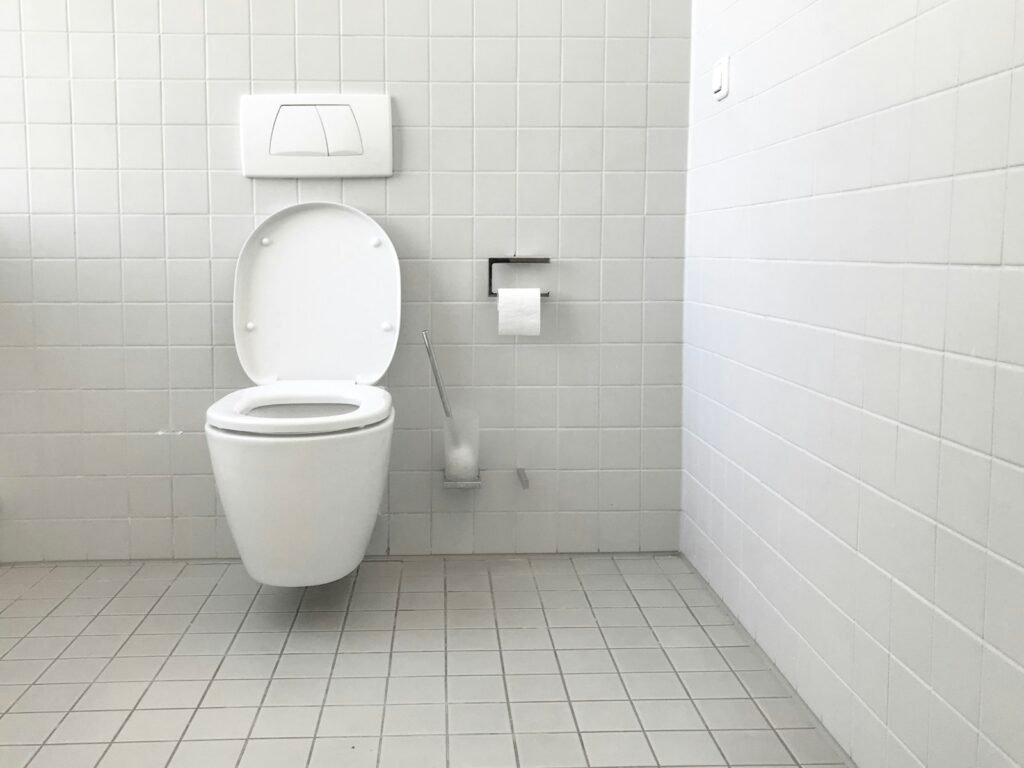
Quick answer: To learn how to fix a running toilet, take off the tank lid and find which part is failing. In most cases it is the flapper, the chain, or the fill valve. Lift the float. If the water stops, lower the water level. If water keeps leaking into the bowl, clean or replace the flapper. If the valve hisses and will not shut off, clean or replace the fill valve. Most of these fixes cost under $40 in parts and take less than an hour.
A running toilet is not just a noise problem. The EPA’s WaterSense program says a leaky toilet can waste about 200 gallons of water every day. That shows up fast on your water bill.
This guide is built around symptoms. You don’t need to know plumbing words. Just match what you hear or see to the fix below.

What Makes a Toilet Keep Running?
Every tank toilet has two main valves:
- Flapper (flush valve): A rubber seal at the bottom of the tank. It lifts when you flush and drops to hold water in the tank.
- Fill valve: The tall part on the left side. It refills the tank and shuts off when the float rises.
A toilet runs when one of these two parts fails. Either water leaks out through the flapper, or water keeps coming in through the fill valve. Other common causes are a chain that is too short, a float set too high, or a refill tube that is in the wrong place.
Running Toilet Symptom Checker: Match the Sound to the Fix
Use this table first. It saves you from buying parts you don’t need.
| What you notice | Most likely cause | Quick fix |
|---|---|---|
| Water runs non-stop and spills into the overflow tube | Float set too high | Lower the float |
| Toilet refills by itself every few minutes or hours (a “phantom flush”) | Flapper leaking slowly | Clean or replace the flapper |
| Steady hissing, tank never stops filling | Fill valve stuck or worn | Flush out the valve cap, or replace the fill valve |
| Runs only until you jiggle the handle | Chain too short, tangled, or caught | Adjust the chain slack |
| Weak flush and constant trickle | Warped flapper or worn valve seat | Replace the flapper and clean the seat |
Before You Start: 2-Minute Setup
- Find the shut-off valve on the wall behind the toilet. Turn it clockwise to close it.
- Flush to empty the tank.
- Put the tank lid on a towel. It is heavy and breaks easily.
- Keep a sponge, an old towel, and gloves nearby.
Tools you may need: adjustable wrench, a small bucket, a soft scrub pad, and a new flapper or fill valve if needed. Take your old part to the store so you buy the right size (most flappers are 2-inch or 3-inch).

Symptom 1: Water Spills Into the Overflow Tube
Look inside the tank. If water is pouring into the open tube in the middle, the water level is too high.
How to fix it
- Float cup (modern valve): Squeeze the clip on the rod or turn the adjustment screw to move the cup down.
- Float ball (older valve): Turn the screw on top of the valve, or gently bend the arm down a little.
- Set the water so it stops at the fill line marked inside the tank. If there is no mark, aim for about 1 inch below the top of the overflow tube.
Turn the water back on and let the tank fill. If it shuts off below the overflow tube, you are done.
Symptom 2: The Toilet Refills on Its Own (Phantom Flush)
This means water is slowly sneaking from the tank into the bowl. When the level drops, the fill valve kicks on to top it up. The cause is almost always the flapper.
Confirm it with the dye test
Add a few drops of food coloring to the tank. Wait about 10 minutes without flushing (the EPA’s suggested time), then flush so the dye does not stain the tank. If color shows up in the bowl, the flapper is leaking. We cover this test and other silent leaks in our guide on how to find a hidden water leak at home.
How to fix it
- Shut off the water and flush.
- Feel the flapper. If it is slimy, stiff, cracked, or out of shape, it needs work.
- Wipe the flapper and the round seat under it with a soft pad. Mineral buildup can stop it from sealing.
- If it still leaks, unhook the flapper from the two side pegs and the chain. Clip on a new one that matches.
- Hook the chain so it has about half an inch of slack when the flapper is closed.
Flapper maker Korky says a leaking flapper or flush valve seal is the most common cause of a running toilet, and the quickest fix.
Symptom 3: Constant Hissing That Never Stops
If the flapper is fine but you hear hissing, the fill valve is not closing. Gently lift the float up with your hand. If the water stops, the float is set too high (go back to Symptom 1). If water keeps flowing, the valve itself is the problem.
Don’t wait on this one. New York City’s water department notes that an open fill valve can waste 3 to 5 gallons per minute.
Step 1: Clean the valve
- Turn off the water.
- Remove the cap on top of the fill valve (most twist off).
- Hold a cup upside down over the open valve and turn the water on for a few seconds. This flushes out sand or grit.
- Put the cap back and test.
Step 2: Replace the fill valve
- Shut off the water, flush, and sponge out the last of the water.
- Unscrew the supply line under the tank. Keep a bucket ready.
- Loosen the big nut under the tank and lift out the old valve.
- Set the new valve to the right height, push it in, and hand-tighten the nut plus a quarter turn.
- Clip the refill tube onto the overflow tube. Keep the end above the water line, not pushed deep inside.
- Reconnect the supply line, turn the water on, and check for drips.

Symptom 4: It Stops Only When You Jiggle the Handle
This is a chain or handle issue. The flapper is not falling all the way down.
- Chain too short: It holds the flapper open a little. Move the clip one or two links down.
- Chain too long: Extra chain can get trapped under the flapper. Trim it, leaving about half an inch of slack.
- Sticky handle: Tighten the nut inside the tank (it is reverse-threaded on many toilets). Replace the handle if it is bent or loose.
Running Toilet Repair Cost: DIY vs Plumber
Prices change by city and by toilet brand, so treat these as rough guides.
| Repair | DIY parts | With a plumber |
|---|---|---|
| New flapper | $5 to $25 | $75 to $150 |
| New fill valve | $10 to $40 | $100 to $200 |
| Full running toilet repair | $20 to $75 (repair kit) | $100 to $400 |
DIY figures come from HomeTips. The plumber range for a full running toilet repair comes from Angi’s 2026 cost data. Labor is the biggest part of the bill, so a simple flapper swap is one of the best DIY jobs you can learn.
When Should You Call a Plumber?
- You replaced the flapper and fill valve, and it still runs.
- The tank or bowl has a crack.
- Water is pooling around the base of the toilet.
- The shut-off valve is rusted or will not turn.
- Bolts under the tank are badly corroded.
A leak at the base can soak into the subfloor and cause damp problems. If you already see stains or a musty smell, read our tips on how to reduce moisture in your home. If drains are also slow, a drain camera inspection can show what is going on inside the pipe.
How to Stop It From Happening Again
- Do a dye test every few months (the EPA says at least once a year).
- Avoid bleach tablets in the tank. Strong chemicals can wear out rubber parts.
- Replace the flapper at the first sign of a leak, not after months of running.
- If your home has hard water, wipe the flapper seat once in a while.
- Check your sinks too. A dripping tap wastes water the same way, so see our guide on how to fix a leaky faucet.
- When you redo the bathroom, consider safety upgrades too. See our guide on making a bathroom safe for elderly family members.
FAQs About Fixing a Running Toilet
Why does my toilet keep running after I replaced the flapper?
The new flapper may be the wrong size, the chain may be too tight, or the valve seat under it may be rough or dirty. Also check the water level. If water still spills into the overflow tube, the fill valve or float is the real problem.
Is a running toilet an emergency?
Not usually. But it wastes water every minute it runs. If you can’t fix it today, close the shut-off valve behind the toilet. Turn it back on only when you need to flush.
How long does a toilet flapper last?
The EPA’s WaterSense program suggests replacing the flapper at least once every five years. Hard water and in-tank cleaners can wear it out sooner, so replace it as soon as the dye test shows a leak.
Can a running toilet raise my water bill a lot?
Yes. A steady leak can waste about 200 gallons a day, according to the EPA. That can mean thousands of gallons a month on your bill.
Do I need special tools to fix a running toilet?
No. Most fixes need only your hands, a sponge, and maybe an adjustable wrench. A new flapper usually clips on without tools.
Conclusion
Now you know how to fix a running toilet without guessing. Start with the symptom. Overflowing water means lower the float. Phantom refills mean a bad flapper. Non-stop hissing means a stuck fill valve. A handle you have to jiggle means a chain problem. Most of these repairs cost a few dollars and take less than an hour. Shut the water off, match the sound to the fix, and enjoy a quiet bathroom again.

Muhammad Amjad Butt
Founder of HomeKiTips
Muhammad Amjad Butt is the founder of HomeKiTips. He writes practical guides on home repair, maintenance, cleaning and decor. Each guide is built from manufacturer instructions, building standards and current cost data, then turned into clear steps that anyone can follow. For structural work, he always recommends a qualified tradesperson.
You may also like
Painting Roadside Dresser Nautical Blue Without Stripping
Step-by-step process for painting roadside dresser nautical blue without stripping. Includes prep, primer, paint, and sealing tips.
Best Renter-Friendly Ways to Cover Ugly Apartment Tiles (2026 Budget Guide)
Hate your rental's ugly tiles? Explore easy, deposit-safe ways to cover old floors and walls—plus plan your budget with our…

How Long Does a GRP Fibreglass Flat Roof Last? (Year-by-Year)
A GRP fibreglass flat roof lasts 25 to 30+ years. See a year-by-year timeline, what shortens its life, warranty facts…
Questions and tips from readers (1)