How to Keep Mice Out This Winter

Quick Answer: To keep mice out this winter, seal every gap larger than 6 mm (about the width of a pencil) with steel wool or copper mesh and caulk, fit door sweeps and weatherstripping, and cover vents. Then remove what draws mice in: store food and pet food in airtight containers, take trash out daily, and clear firewood, leaf piles and clutter away from your walls.
Key Points
- Mice do not hibernate, so they move indoors in late fall and winter to find warmth, food and nesting spots.
- A mouse can squeeze through a hole about 6 mm wide, so even small gaps around pipes, vents and doors matter.
- Steel wool, copper mesh, hardware cloth and caulk are the best materials for sealing entry points, because mice can chew through foam and plastic.
- Airtight food storage, daily trash removal and a clutter-free home take away the reasons mice want to stay.
- Firewood, leaf piles and overgrown shrubs next to the house give mice cover right at your walls.
- Droppings, gnaw marks, scratching noises and shredded paper are early signs that mice are already inside.
- Peppermint oil and ultrasonic devices are not reliable on their own; sealing and sanitation work far better.
The first cold night of the season is when many families hear it: a faint scratching inside the wall or a rustle in the pantry. Mice are smart, small and persistent, and when outdoor temperatures drop, your warm home looks like the perfect shelter. The good news is that a few weekend jobs, done before the deep cold arrives, can keep mice out of your house all winter long.
This guide walks you through why mice come inside, where they get in, and the exact steps to mouse-proof your home without harsh chemicals.
Why Do Mice Come Inside in Winter?
Mice stay active all year. When the weather turns cold, seeds and insects become harder to find outdoors, and nesting spots in fields and gardens freeze or get exposed. Your home offers everything they need in one place: steady heat, crumbs and stored food, water from leaky pipes, and quiet corners such as attics, basements, garages and wall cavities.
Mice are also not alone. Spiders, stink bugs and other pests make the same move each season, which is why we covered the wider problem in our guide on fall pests invading your home and how to stop them.
The real danger is how fast a small problem grows. A female house mouse can have several litters a year, and young mice can start breeding in about six weeks. Two mice that slip in during November can become a full infestation by spring. Mice also contaminate food, chew electrical wires and insulation, and their droppings can spread bacteria such as salmonella.
How Small a Gap Can a Mouse Fit Through?
A mouse can squeeze through a hole about 6 mm (1/4 inch) wide, roughly the size of a pencil. If the head fits, the body follows. This is why sealing only the obvious holes is not enough. Gaps around water pipes, gas lines, cable holes, dryer vents and the bottom of garage doors are all big enough for a mouse.
How to Keep Mice Out This Winter: 10 Proven Steps
1. Walk Around Your Home and Find Entry Points
Start with a slow inspection of the outside of your house, ideally in daylight with a flashlight. Look low to the ground along the foundation, then around windows, doors, pipes, wires and vents. Inside, check under sinks, behind the stove and fridge, inside cabinets and in the basement. Look for small holes, dark grease smudges along walls (mice leave oil from their fur), droppings and gnaw marks. Write each spot down so you can fix them all in one go.
2. Seal Gaps With Mouse-Proof Materials
Choose materials that mice cannot chew. Stuff small holes tightly with steel wool or copper mesh, then seal over the top with silicone caulk so the filling stays in place. Copper mesh is a good choice in damp areas because it does not rust. For larger openings, use hardware cloth (metal mesh with 6 mm holes or smaller), cement or metal flashing. Avoid using expanding foam or plastic alone, because mice chew straight through them.
3. Fit Door Sweeps and Weatherstripping
The gap under an exterior door is one of the easiest ways in. Install a sturdy door sweep or a brush strip on every outside door, including the door between the garage and the house. Replace worn rubber seals on garage doors and add weatherstripping around windows and doors. As a bonus, this also stops cold drafts and lowers your heating bill.
4. Cover Vents, Chimneys and Utility Openings
Dryer vents, attic vents, crawl space vents and chimneys are open doors for rodents. Fit metal vent covers or hardware cloth over them, and install a chimney cap with mesh. Make sure the dryer vent flap closes fully after use. Check where cables, pipes and air conditioner lines enter the wall, and seal around them.
5. Repair the Roof and Protect the Attic
Mice are skilled climbers and can scale rough walls, downpipes and tree branches to reach your roof. Replace missing or broken roof tiles, repair damaged fascia boards, and seal gaps where the roof meets the walls. Inside the attic, store items in hard plastic bins instead of cardboard boxes, since cardboard is a favorite nesting material.
6. Secure the Garage, Shed and Basement
Garages and basements are quiet, warm and full of storage, which makes them ideal nesting spots. Keep these areas tidy, lift items off the floor on shelves, and never store bird seed, grass seed or pet food in open bags there. Seal cracks in the concrete floor and walls, and check that the garage door closes flat against the ground.
7. Store Food in Airtight Containers
Food is the main reason mice stay once they get in. Move cereal, rice, flour, pasta, nuts, dried fruit and snacks from bags and boxes into glass, metal or thick plastic containers with tight lids. Do the same with pet food and bird seed. Do not leave pet bowls full overnight, and keep fruit in the fridge rather than on the counter.
8. Keep the Kitchen and Trash Clean
A few crumbs are a feast for a mouse. Wipe counters after every meal, sweep the floor each night, and clean behind and under the stove, toaster and fridge where food falls and hides. Grease build-up also attracts pests, so our guide on how to remove grease from kitchen cabinets and appliances is a useful part of your winter routine. Use bins with tight-fitting lids, take the trash out daily, and rinse recycling before storing it.
9. Clear Your Yard and the Outside Walls
What sits next to your walls decides how close mice can get without being seen. Stack firewood at least 6 metres (20 feet) from the house and keep it raised off the ground. Rake up leaf piles, trim shrubs and tree branches so they do not touch the walls or roof, and keep compost in a closed bin. If you are already preparing outdoors for the cold season, add these jobs to your fall garden checklist.
10. Fix Leaks and Reduce Moisture
Mice need water as well as food. Repair dripping taps, leaking pipes under sinks and condensation problems in the basement. Do not leave water standing in buckets, plant saucers or pet bowls overnight. A dry home is much less attractive to mice and to many other pests.
Room-by-Room Winter Mouse-Proofing Checklist
| Area | What to Check | Quick Fix |
|---|---|---|
| Kitchen | Gaps behind stove and under sink, open food, crumbs | Seal pipe holes, airtight containers, nightly cleanup |
| Attic | Roof gaps, vents, cardboard boxes, insulation damage | Repair roof, cover vents, switch to plastic bins |
| Basement | Foundation cracks, leaks, clutter | Seal cracks, fix leaks, raise storage off the floor |
| Garage | Door gaps, seed and pet food bags | New door seal, store feed in metal bins |
| Doors and windows | Light showing under doors, worn seals | Door sweeps and weatherstripping |
| Yard | Firewood, leaf piles, shrubs touching walls | Move wood away, rake leaves, trim plants |
Do Natural Mouse Repellents Really Work?
Many people try peppermint oil, cloves or ultrasonic plug-in devices. These may bother mice for a short time, but they are not a reliable way to keep mice out. Scents fade quickly, and mice often get used to ultrasonic sounds, which also cannot pass through walls or furniture. Use them only as an extra step, never in place of sealing entry points and removing food. Prevention through exclusion and cleanliness is what works long term.
Signs Mice Are Already in Your Home
- Droppings: small, dark, rice-shaped pellets in drawers, cupboards, along walls or under sinks.
- Gnaw marks: tiny chew marks on food packaging, wood, plastic or wires.
- Noises: scratching or scurrying in walls and ceilings, especially at night.
- Nests: shredded paper, fabric or insulation bunched in hidden corners.
- Smell: a stale, musty, ammonia-like odor in closed areas.
- Grease marks: dark smudges along skirting boards and around holes.
What to Do If You Find Mice
Act quickly, because numbers grow fast. Place snap traps along walls, behind appliances and in dark corners where mice travel, with the trigger end facing the wall. A small amount of peanut butter works well as bait. Check traps every day. Keep traps and any baits well out of reach of children and pets.
Clean up safely. Never sweep or vacuum dry droppings, because this can send germs into the air. Wear rubber gloves, open windows for ventilation, spray droppings and nesting material with a disinfectant or a bleach solution, wait about five minutes, then wipe up with paper towels and seal them in a bag before throwing them away. Wash your hands well afterwards.
Once the mice are gone, go back to the 10 steps above and seal the entry points, or new mice will simply move in.
When to Call a Pest Control Professional
Call a professional if you keep catching mice after two weeks, see mice during the day, find droppings in many rooms, or notice chewed wiring. These are signs of a larger infestation. A good pest control service will inspect the whole property, find hidden entry points and set up a plan to stop the problem from coming back.
Frequently Asked Questions
When should I start mouse-proofing my home for winter?
Start in early fall, before nights turn cold. Mice begin looking for shelter as soon as temperatures drop, so sealing gaps in September or October keeps them out before they settle in.
What smell keeps mice away?
Mice dislike strong smells such as peppermint oil and cloves, but the effect is short-lived. Scents should only support sealing and cleaning, not replace them.
Can mice chew through steel wool?
Mice struggle to chew through tightly packed steel wool, which is why it works well for small holes. Cover it with caulk to hold it in place and stop it from rusting or being pulled out.
Will mice leave on their own in spring?
Usually not. If mice find food, water and a warm nest inside, they stay and breed all year. You need to remove them and seal entry points.
Does one mouse mean an infestation?
Not always, but where there is one mouse there are often more. Treat any sighting as a warning, set traps and check your home for entry points right away.
Final Thoughts
Keeping mice out this winter comes down to two simple ideas: block the way in and remove the reasons to stay. Seal every gap with mouse-proof materials, fit door sweeps, store food in airtight containers and keep your yard tidy. Spend one weekend on these jobs now, and you can enjoy a warm, quiet, mouse-free home all season long.

Muhammad Amjad Butt
Founder of HomeKiTips
Muhammad Amjad Butt is the founder of HomeKiTips. He writes practical guides on home repair, maintenance, cleaning and decor. Each guide is built from manufacturer instructions, building standards and current cost data, then turned into clear steps that anyone can follow. For structural work, he always recommends a qualified tradesperson.
You may also like

How to Get Rid of Pantry Moths in Flour Containers Naturally (Fast & Safe)
Found tiny moths or webbing in your flour? Learn how to get rid of pantry moths in flour containers naturally…
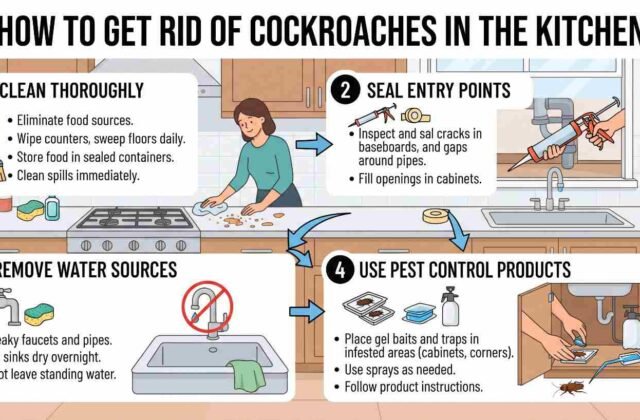
How to Get Rid of Cockroaches in the Kitchen
Get rid of cockroaches in the kitchen with a proven 30-day plan: deep cleaning, gel baits, boric acid and sealing…
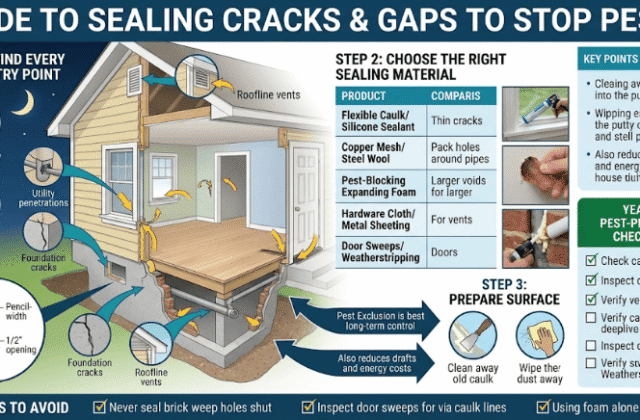
How to Seal Cracks and Gaps to Stop Pests
Learn how to seal cracks and gaps to stop pests entering your home. Find entry points, pick the right sealant,…
Questions and tips from readers (1)