Do Mosquito Repellent Plants Really Work? The Truth
Quick Answer
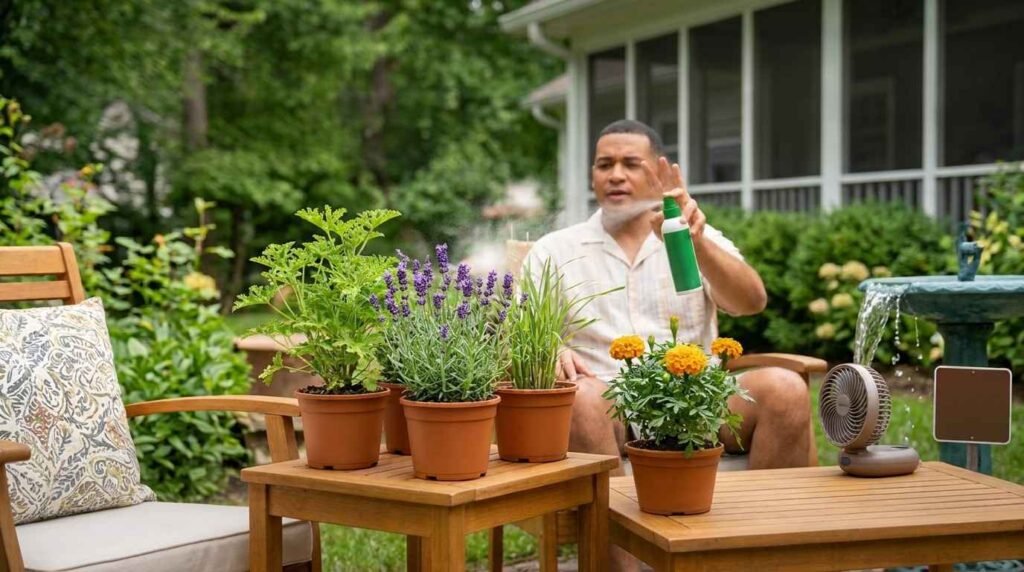
Mosquito repellent plants do not really work on their own. A living plant such as citronella, lavender or lemongrass releases too little scent into the air to stop mosquitoes, and field tests have found people sitting next to these plants get bitten just as often as people sitting without them. The repellent power is in the plant’s concentrated oils, not in the growing plant. To keep mosquitoes away, remove standing water, use screens and apply a proven repellent, and grow these plants as a small bonus, not as protection.
Key Points at a Glance
- Short answer: potted plants give little to no mosquito protection.
- Why: plants hold their repellent oils inside the leaves and only release small amounts.
- What science shows: plant oils can repel mosquitoes in lab tests, but intact plants do not.
- Small benefit: crushing fresh leaves and rubbing them on skin may give brief, short-range protection.
- Hidden risk: water in pots and saucers can turn your plants into mosquito breeding spots.
- What really works: no standing water, screens, fans and repellents such as DEET, picaridin or oil of lemon eucalyptus.
Why People Believe Plants Repel Mosquitoes
The idea makes sense at first. Many mosquito sprays and candles smell of citronella, lemongrass or lavender, so it seems natural that growing the plant itself would do the same job. Garden centres also sell plants with labels such as “mosquito plant” or “citrosa”, which makes the claim sound official.
The problem is that a spray or candle contains a highly concentrated oil that has been extracted from many plants. A single plant on your balcony holds only a tiny amount of that oil, and it keeps most of it locked inside its leaves.
Do Mosquito Repellent Plants Really Work? What Science Says
Researchers have tested this question many times, and the results are clear:
- The citrosa “mosquito plant” failed field tests. In a study from the University of Guelph in Canada, people sitting next to citrosa plants received about the same number of bites as people with no plants at all. Researchers even saw mosquitoes landing and resting on the plants.
- University experts agree. Iowa State University Extension explains that citronella grass and scented geraniums are not effective simply by being planted nearby, because their oils are mainly released when leaves are crushed or processed.
- Oils are a different story. Lab studies show that extracted oils from plants such as catnip, lemongrass and lemon eucalyptus can repel mosquitoes. In a 2026 study published in Scientific Reports, a lotion with 6% catnip oil worked about as well as a 15% DEET repellent. But that was a distilled oil on skin, not a plant in a pot.
In short, the science supports plant oils, not plant pots.
Popular Plants That Repel Mosquitoes Naturally (and How Well They Work)
| Plant | Repellent Compound | Does the Living Plant Work? |
|---|---|---|
| Citronella grass | Citronellal, geraniol | No, not when simply planted |
| Citrosa / “mosquito plant” | Citronella-like scent | No, failed field tests |
| Lemongrass | Citral | Very little; oil works better |
| Lavender | Linalool | Very little; crushed leaves may help briefly |
| Catnip | Nepetalactone | Plant: weak; distilled oil: strong |
| Basil, mint, marigold | Various aromatic oils | No reliable evidence |
Does Citronella Plant Repel Mosquitoes?
Not on its own. Citronella oil is one of the most common natural repellents, but the growing grass releases only a weak scent. Even citronella candles give limited protection, and mainly only within a short distance of the flame.
Does Lavender Repel Mosquitoes?
Lavender contains linalool, which has some repellent effect in lab tests. A pot of lavender will not clear your garden, but rubbing a few fresh flowers on your arms may keep mosquitoes off for a short time. Test a small patch of skin first in case of irritation.
Why a Potted Plant Doesn’t Keep Mosquitoes Away
- Too little scent: the oils stay inside the leaves until they are damaged.
- Wind and space: any scent that is released quickly spreads out and becomes too weak.
- Mosquitoes follow stronger signals: they track your breath (carbon dioxide), body heat and sweat, which are far stronger than a plant’s smell.
- Plants can attract them: mosquitoes rest in shady, leafy areas, and wet soil or saucers can give them a place to breed.
How to Use Plants to Repel Mosquitoes (So They Help a Little)
If you love these plants, you can still get a small benefit by using them the right way:
- Crush the leaves: gently rub fresh lemon balm, lavender or catnip leaves on your skin before sitting outside. The effect is short and weaker than a proper repellent.
- Keep them close: place pots right next to seating areas, not across the garden.
- Brush past them: plant herbs beside paths so walking past releases their scent.
- Empty the saucers: never let water sit under your pots for more than a few days.
- Combine with real protection: use plants as a bonus alongside the steps below.
Mosquito Repellent Plants for Balcony and Small Spaces
On a balcony, choose compact herbs such as lavender, basil, lemon balm or mint in pots with drainage holes. Avoid trays that hold water, and add a small fan. A steady breeze is one of the easiest ways to keep weak-flying mosquitoes away from you.
Natural Ways to Keep Mosquitoes Away That Actually Work
- Remove standing water every week: buckets, bird baths, old tyres, blocked gutters and plant saucers are top breeding spots. Mosquitoes need only a bottle cap of water to lay eggs.
- Fit screens: mesh on windows and doors is one of the most reliable ways to keep them out of your home.
- Use a proven repellent: products with DEET, picaridin, IR3535 or oil of lemon eucalyptus are recommended by health authorities.
- Use a fan: moving air makes it hard for mosquitoes to fly and land.
- Dress smart: wear long, loose, light-coloured clothes at dawn and dusk, when many mosquitoes are most active.
- Trim the garden: cut back thick shrubs and long grass where mosquitoes rest during the day. Our fall garden checklist covers easy clean-up steps.
Mosquitoes are not the only insects that sneak indoors as the seasons change. See our guide on how to stop fall pests invading your home, or browse more tips in our pest control section.
So, Should You Grow Mosquito Repellent Plants?
Yes, if you enjoy them. Lavender, basil, mint and lemongrass smell lovely, attract pollinators and are useful in the kitchen. Just don’t rely on them to protect your family. Mosquitoes can spread diseases such as dengue, malaria, Zika and West Nile virus, so real protection should always come first, with plants as a pleasant extra.
Frequently Asked Questions
Do mosquito repellent plants really work?
Not on their own. Living plants release too little scent to stop mosquitoes. Their extracted oils can repel mosquitoes, but a plant in a pot gives little protection.
What is the most effective plant to repel mosquitoes?
Catnip oil has shown the strongest results in studies, matching DEET in one 2026 trial. However, the effect comes from distilled oil, not the growing plant.
Can I keep mosquito repellent plants indoors?
Yes, but they will not stop mosquitoes indoors either. Use screens and remove water sources instead, and keep indoor pots well drained.
Is rubbing plant leaves on skin safe?
For most people, lightly rubbing lavender or lemon balm leaves is safe, but test a small area first. Do not use this on babies, and see a doctor if a rash appears.
What is the fastest natural way to get rid of mosquitoes at home?
Empty every container of standing water, close or screen windows, and run a fan. These three steps cut mosquito numbers faster than any plant.

Muhammad Amjad Butt
Founder of HomeKiTips
Muhammad Amjad Butt is the founder of HomeKiTips. He writes practical guides on home repair, maintenance, cleaning and decor. Each guide is built from manufacturer instructions, building standards and current cost data, then turned into clear steps that anyone can follow. For structural work, he always recommends a qualified tradesperson.
You may also like
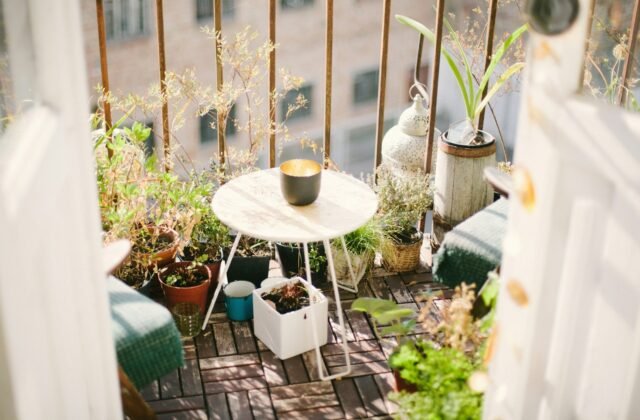
Small Balcony Garden Ideas for Apartments: Zone-by-Zone Guide
Small balcony garden ideas for apartments, sorted by zone: railing, wall, ceiling and corner. Includes a sunlight test, 3 starter…
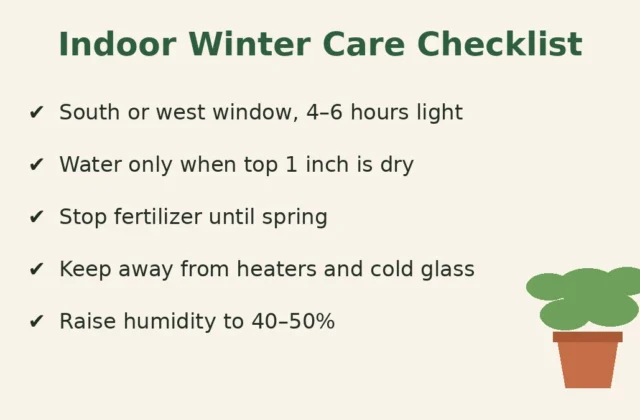
How to Bring Potted Plants Indoors for Winter (Safely)
Bring potted plants indoors for winter the right way. Learn the 50°F rule, a pest check, a 14-day acclimation plan…
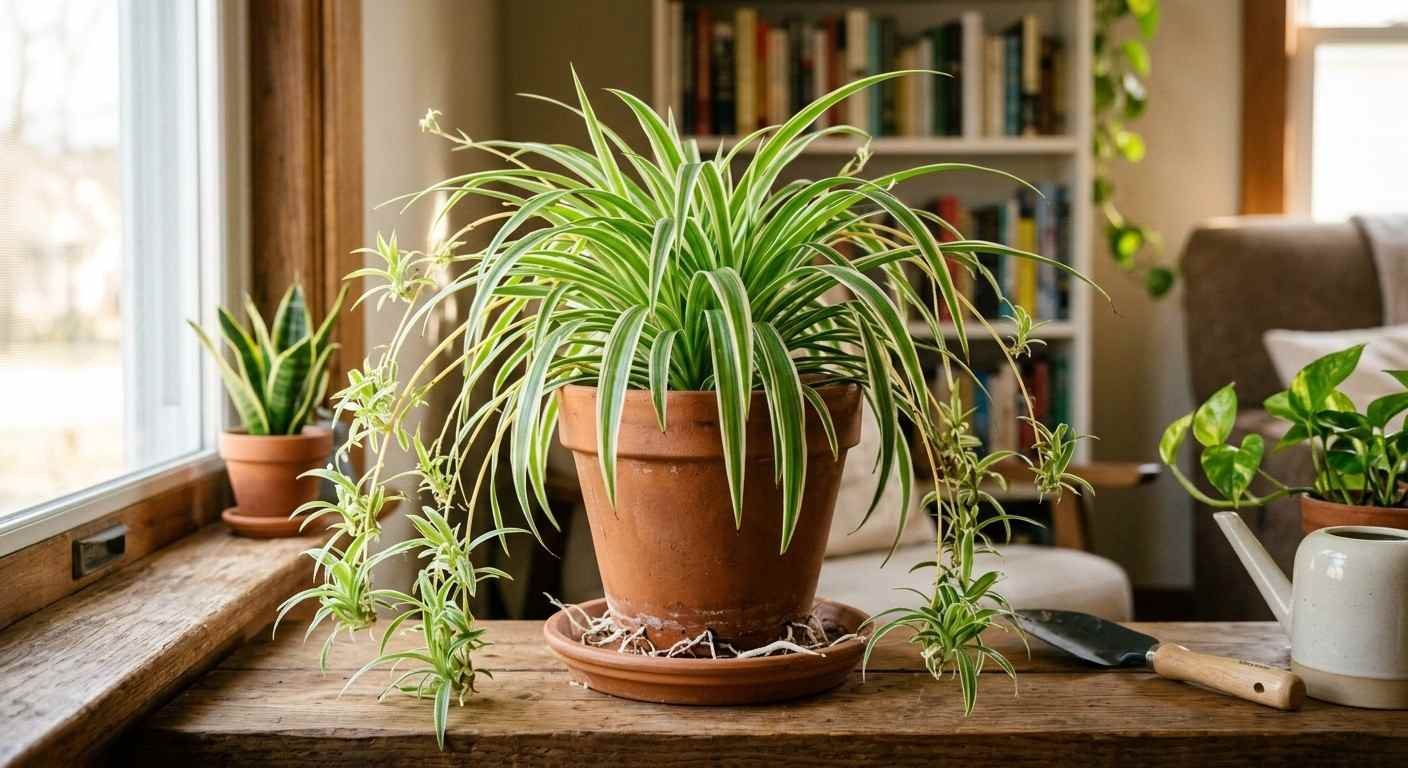
Do Spider Plants Like to Be Root Bound? (When to Repot and When to Wait)
Spider plants tolerate being root bound and often thrive snug. Learn the signs it is time to repot, healthy vs…